Homebridge Precast Moves Stone Craft From the Job Site to the Shop, Making Premium Landscape Masonry Accessible to Most Property Owners
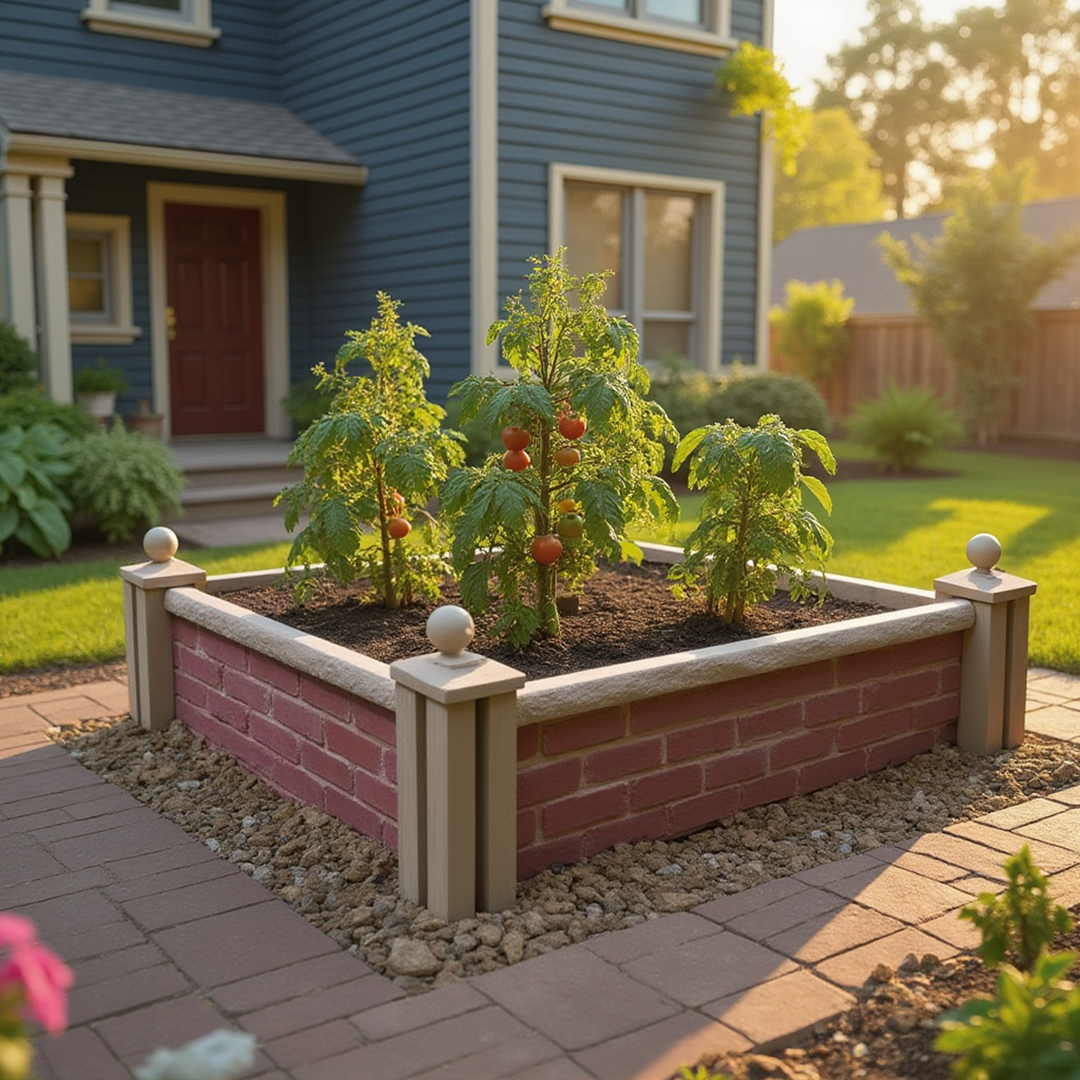
ANN ARBOR, Mich. — Homebridge Precast, LLC announces the market expansion of its patent-protected Glass Fiber Reinforced Concrete (GFRC) landscape products, a line engineered to deliver the appearance of hand-laid stone at a fraction of traditional masonry cost. Founded by Anthony Bango in 2019 and brought to market in 2022 after three years of testing, the company relocates the specialized labor of stonework from the job site into a controlled shop, allowing prefabricated garden beds, culvert walls, and related products to install in hours rather than days.
The announcement arrives as the landscaping industry confronts a labor shortage that reshapes how outdoor work gets priced and delivered. Homebridge positions its GFRC system as a direct response to that constraint, offering property owners and the trades who serve them a durable alternative that does not depend on the availability of scarce skilled crews.
The Real Cost of Stone Is Labor, Not Material
For decades, property owners have admired laid-up stone and found it out of reach. Traditional stone masonry projects typically exceed $15,000 and require weeks of work from multiple specialized crews, including a skilled mason, a helper, an excavator, a concrete crew, and a foundation specialist, with a minimum of five days on-site.
Industry figures confirm the pressure. Stone masonry labor runs between $15 and $40 per square foot, with intricate designs pushing costs to $50 to $100 per square foot or higher. Experienced masons command $70 to $110 per hour, reflecting the specialized expertise the work demands. A fieldstone wall can take four to five times longer than other masonry because irregular shapes require extensive fitting and adjustment.
The result is a price barrier that separates the material cost from the labor cost and reveals which one drives the number. Homebridge estimates that labor, not material, renders traditional stone masonry unaffordable for roughly 95 percent of property owners, forcing many to cut stone features from their budgets before a project begins.
A Proven Material Carried Into a New Domain
Glass Fiber Reinforced Concrete is an established technology in commercial construction, but its application to landscape products remained largely unexplored until Homebridge. The company applies the material where others had not carried it, treating the unexplored crossing as the opportunity.
GFRC delivers measurable structural advantages over legacy materials. The material reaches 12,500 psi compressive strength, four times stronger than regular concrete, and passes rigorous ASTM 666 freeze-thaw testing, supporting a lifespan of more than 50 years. Independent testing shows GFRC exhibits tensile strength ranging from 1,500 to 3,500 psi, two to three times higher than typical unreinforced concrete, which prevents hairline cracks under bending loads. Its flexural strength can measure up to 300 percent higher than unreinforced mixes, improving impact resistance in freeze-thaw environments.
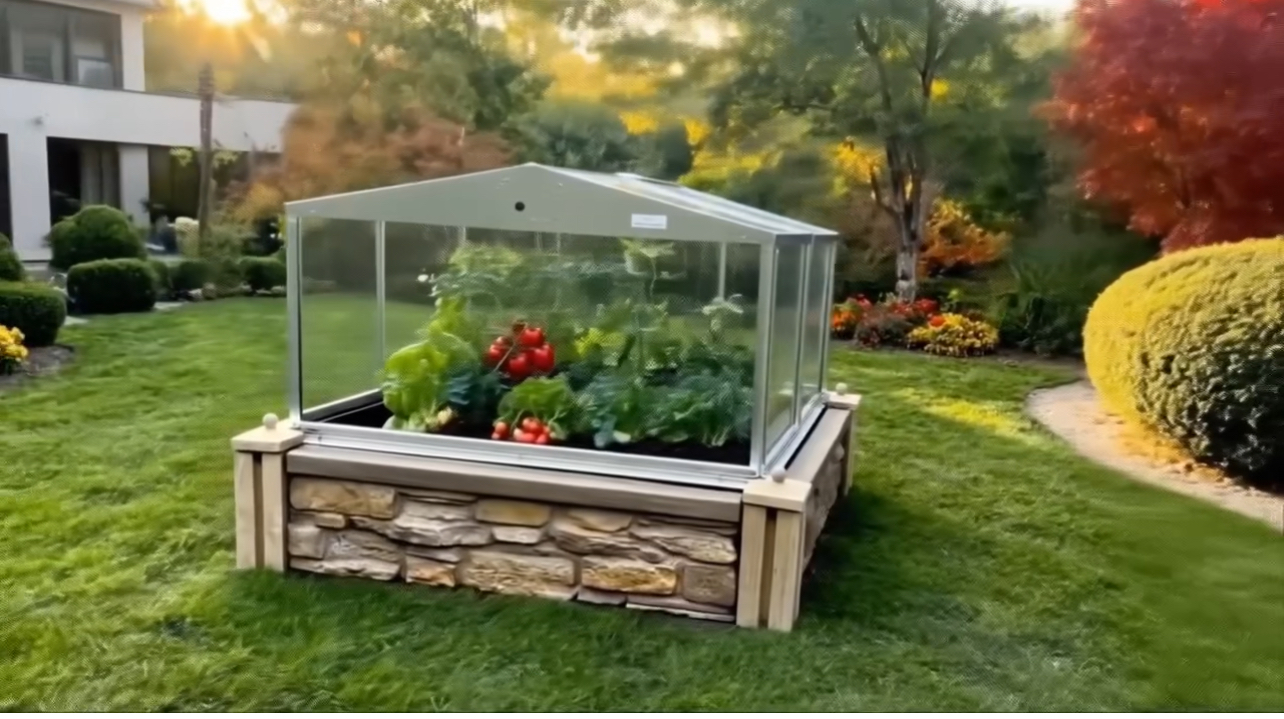
The material is also up to 75 percent lighter than traditional concrete while delivering superior flexural and tensile strength, an advantage for large, intricate designs where weight and installation complexity present obstacles. GFRC can be cast to replicate the exact look and texture of hand-laid stone, and even barnwood, offering premium aesthetics without the premium cost.
Prefabrication Answers the Labor Crisis
The timing of the expansion reflects a defining constraint across the industry. Survey data shows that 72 percent of landscape business owners identify labor availability and retention as their biggest barrier to growth, eclipsing all other business concerns. In 2024, 76 percent of landscaping contractors reported at least one unfilled job opening, and 59 percent judged the labor market worse than before the pandemic. Labor costs are expected to rise roughly 20 percent through the end of 2029.
Homebridge addresses this directly through prefabrication. Its products arrive ready to install, eliminating the need for a foundation crew, a concrete mixer, or a skilled mason. This approach reduces installation time from days to hours, roughly one-eighth the time of traditional masonry.
The efficiency gains align with broader construction research. Prefabricated construction reduces build times by 30 to 50 percent depending on the scope of off-site integration, and 81 percent of contractors using prefabrication report improvement in material waste compared to site construction. Homebridge applies that principle to landscape products, moving the intelligence and the finish work into a controlled shop so the finished look becomes something two ordinary hands can set in an afternoon.
"The breakthrough here is economic before it is chemical," says Anthony Bango, founder and president of Homebridge Precast. "We take a look that once required days of specialized crews and we manufacture it once, in a shop, so almost anyone can install it. This is not about replacing master stone masons. We respect that craft. We are widening access for the vast majority of property owners who could never afford their services in the first place."
Three Years of Testing Before the First Sale
From 2019 through 2022, Homebridge devoted itself to product design and testing, a period that coincided with the pandemic and allowed meticulous refinement of manufacturing processes and GFRC formulas. The company created molds from real stone, subjected culvert walls to vehicle stress tests, and evaluated more than 100 configurations before bringing products to market in 2022.
"If it does not survive the third winter in Michigan, it does not ship," Bango says. "I spent forty years in commercial construction learning where money leaks out of a budget, and I learned to trust a number only after it has been tested rather than assumed. We held to that discipline before we sold a single product."
A Growing Market and a Clear Opportunity
The context for the expansion is a large and growing market. The U.S. landscaping market reached $184.1 billion in 2025, the largest in the world, with projected growth of 3.2 percent and forecasts of 6.7 percent compound annual growth over the next five years. The industry employs more than 1.4 million people across 692,777 businesses and is projected to add 65,200 jobs by 2033, though the labor shortage means many of those positions cannot be filled using traditional methods.
More than half of surveyed landscaping companies, 51 percent, identified staffing as a major risk in 2025, the precise problem Homebridge's prefabricated GFRC products are designed to eliminate. The company sorts competing options across their full lifespan rather than their first invoice, so the choice that appears cheaper today reveals its true cost over decades of weather and replacement.
Scaling in 2025
Homebridge is currently scaling operations, with a 2025 plan that targets do-it-yourself homeowners, hardscapers, landscape architects, and distributors. The company positions GFRC as a 21st-century material poised to replace legacy options such as wood and metal that require frequent maintenance or replacement. Every core product holds a U.S. patent, and additional products remain in development.
The company serves distinct audiences with a single message. Do-it-yourself homeowners gain a premium look without hiring expensive contractors. Property managers gain durable, low-maintenance solutions. Landscape contractors gain a way to mitigate labor shortages and accelerate project completion. Each group hears the same case, grounded in physics and tested performance rather than promotion.
About Homebridge Precast
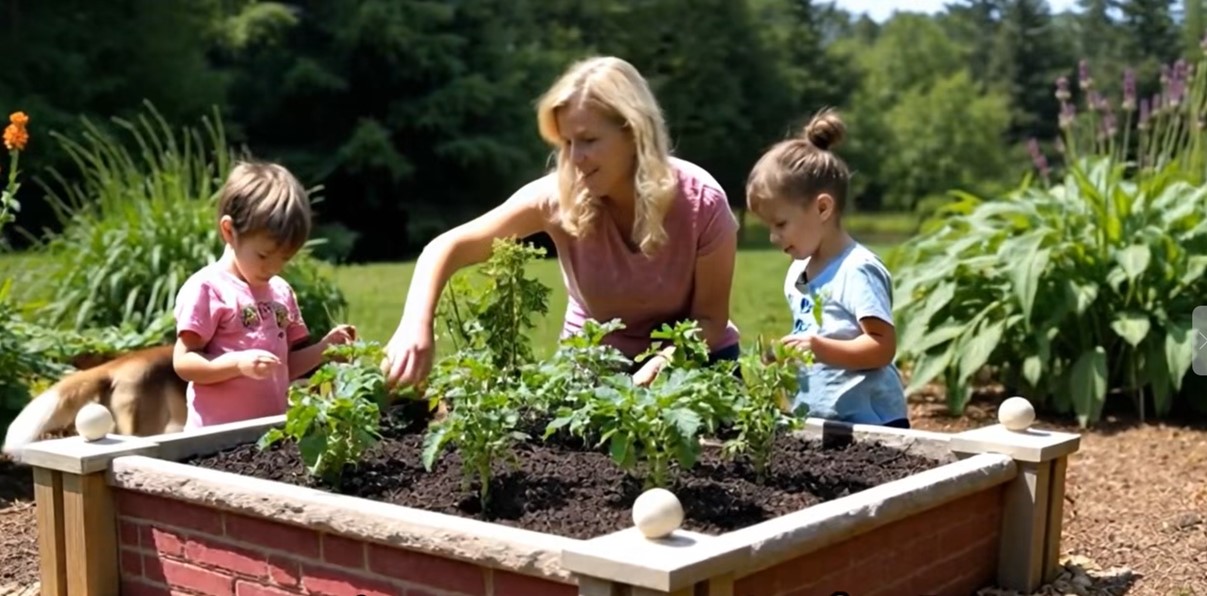
Homebridge Precast, LLC transforms residential and municipal landscapes with Glass Fiber Reinforced Concrete (GFRC) products that combine the beauty of stonework with superior durability and minimal maintenance. The company delivers raised garden beds, culvert covers, and related products that install in hours and last 50 or more years, offering premium aesthetics at a fraction of traditional stonework costs. Founded in 2019 by Anthony Bango in Ann Arbor, Michigan, Homebridge Precast has been beautifying properties with patent-protected solutions that never rot, rust, or require replacement. Home owners will "dig" it.
Media Contact
Homebridge Precast, LLC
Anthony Bango, Founder and President
Ann Arbor, Michigan
Website: homebridgepc.com