Why GFRC Is Reshaping Sustainable Construction Standards
Abstract
The construction industry's emphasis on recyclable materials overlooks a critical sustainability metric: material longevity and lifecycle environmental impact. This paper examines Glass Fiber Reinforced Concrete (GFRC) as a case study in durability-based sustainability, challenging conventional green building assessment frameworks. The EPA reported that 600 million tons of construction and demolition debris were generated in the United States in 2018—more than twice the amount of municipal solid waste, with approximately 145 million tons directed to landfills. Through comparative lifecycle analysis, this research demonstrates that GFRC products reduce total cost by 30% over a 20-year period compared to traditional materials requiring multiple replacements, while simultaneously decreasing environmental impact through elimination of replacement cycles, reduced installation labor, and minimized equipment emissions.
Introduction
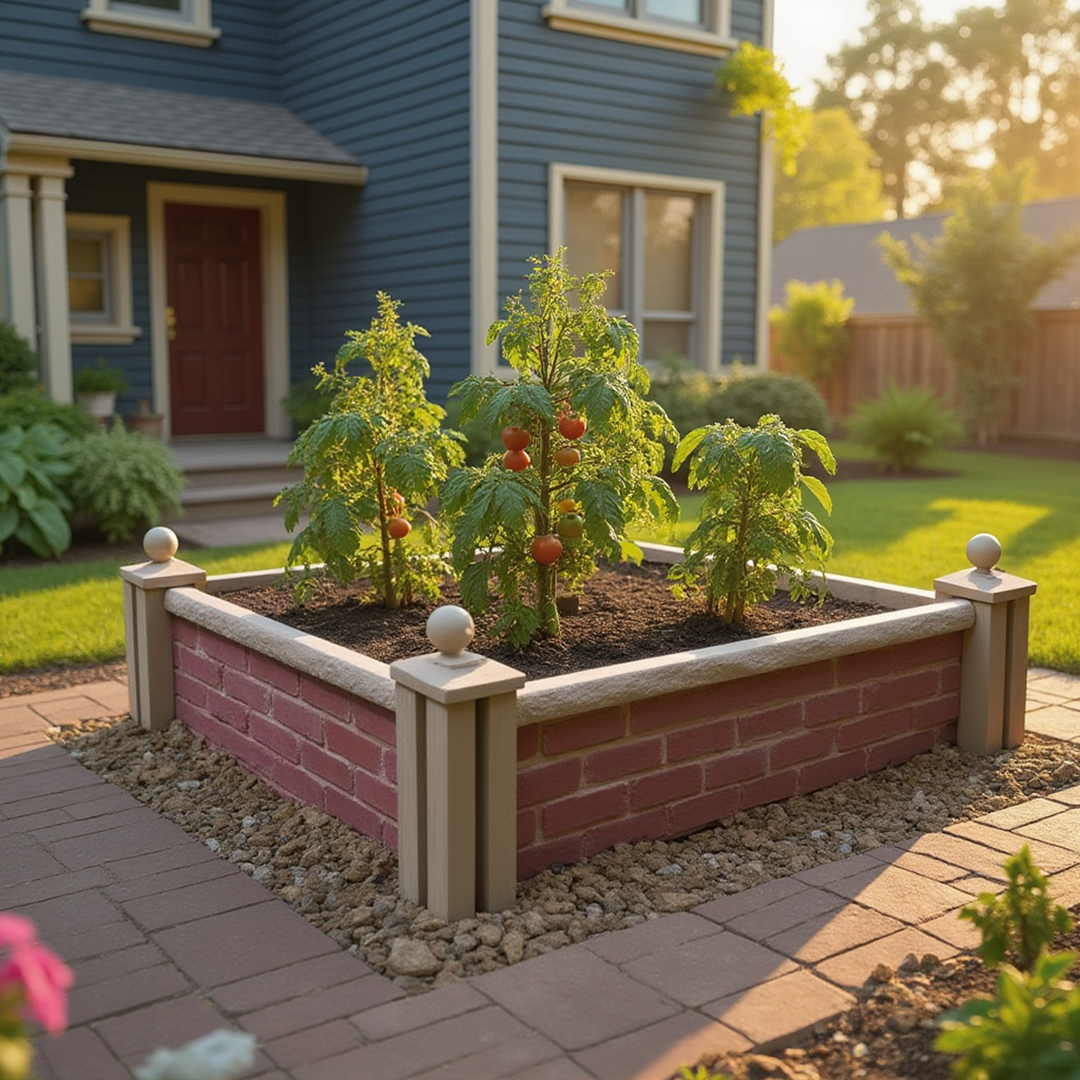
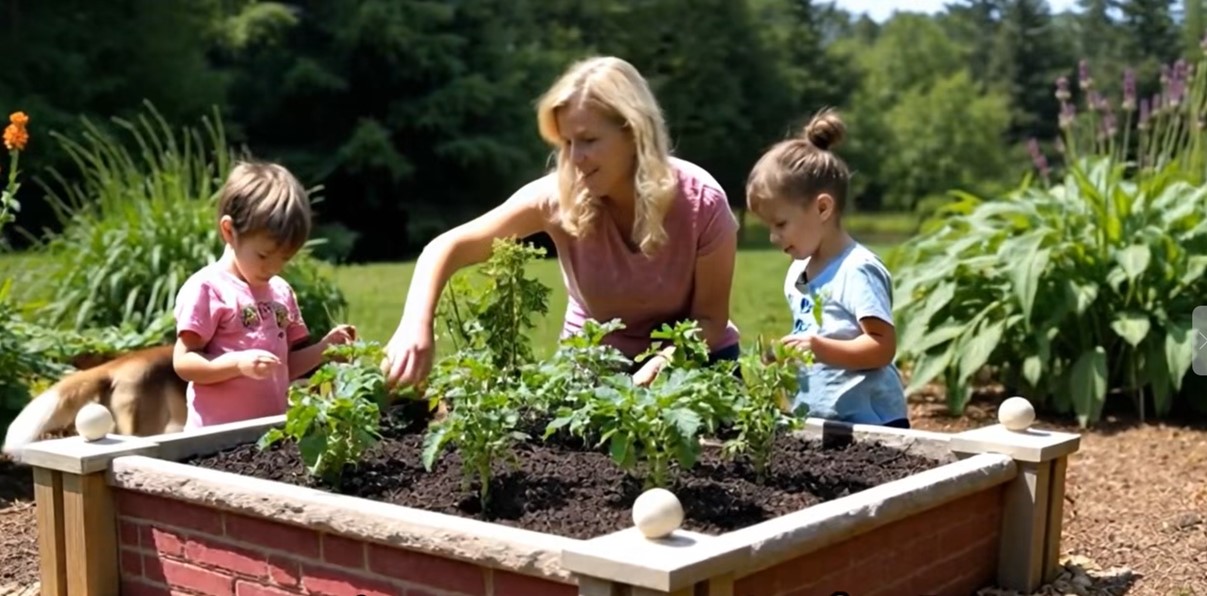
Contemporary sustainable construction discourse prioritizes material recyclability and initial environmental impact while frequently neglecting comprehensive lifecycle analysis. This research gap has significant implications for actual environmental outcomes. Residential and municipal landscape products exemplify this paradox: materials marketed as "natural" and "recyclable"—such as wooden raised garden beds—typically require replacement every 5-7 years due to deterioration, generating repeated environmental costs through material disposal, manufacturing of replacement units, transportation, and installation labor. Over a 20-year operational period, traditional wooden installations demonstrate a 70% higher total cost compared to GFRC alternatives when accounting for replacement materials and labor, yet these lifecycle environmental costs remain largely uncalculated in sustainability assessments.
The Durability Gap in Sustainability Assessment
The construction industry demonstrates systematic preference for short-term economic optimization over lifecycle value analysis. This institutional bias manifests in procurement decisions where initial cost considerations supersede total cost of ownership calculations. Market dynamics reveal that different client segments respond divergently to lifecycle considerations: development firms optimizing for asset transfer prioritize lower initial costs, while institutional and governmental entities increasingly incorporate lifecycle cost analysis into procurement standards. The U.S. General Services Administration (GSA) exemplifies this emerging trend toward lifecycle-based procurement methodologies, reflecting recognition that extended product longevity generates long-term fiscal efficiency.
Existing research demonstrates that materials with longer lifespans reduce the frequency of replacements and renovations, lowering overall environmental impact. However, lifecycle assessment methodologies frequently neglect transportation phases and replacement frequency, producing incomplete sustainability measurements. This methodological limitation obscures the true environmental cost of short-lived materials, creating a systematic bias favoring products with favorable initial environmental profiles but poor long-term performance characteristics.
Methodology and Material Performance Characteristics
GFRC products underwent comprehensive three-year testing protocols evaluating freeze-thaw cycle resistance, compressive strength, flexural performance, and real-world impact resistance. Field testing included vehicular impact scenarios under adverse weather conditions, demonstrating superior structural integrity with no observable cracking or spalling under conditions that would compromise traditional concrete installations.
Material performance analysis reveals GFRC demonstrates 12,500 psi compressive strength—representing a 400% increase compared to conventional concrete—with flexural strength exceeding 2,500 psi. These performance characteristics align with ASTM testing standards for GFRC applications. Comparative emissions analysis indicates GFRC can decrease CO2 emissions by 17% compared to ordinary concrete, with durability characteristics substantially reducing lifecycle replacement requirements.
A critical but underexamined environmental advantage emerges from installation efficiency: prefabricated GFRC products demonstrate significantly reduced installation timelines and resource requirements compared to traditional construction methodologies.
Findings: Installation Efficiency and Carbon Reduction
Comparative analysis reveals prefabricated GFRC products require one-eighth the installation time of traditional construction methods. Labor requirements decrease by 50% (two workers versus four), while eliminating heavy equipment deployment, foundation excavation, and spoil removal. This efficiency represents substantial reduction in diesel fuel consumption and equipment emissions—environmental impacts absent from conventional sustainability assessment frameworks.
Research demonstrates prefabrication methodologies can reduce construction waste by 50% through controlled manufacturing environments. The Modular Building Institute reports prefabricated construction generates up to 90% less construction waste than traditional building approaches. GFRC applications demonstrate reduced carbon footprint through multiple mechanisms: elimination of replacement cycles, minimized installation labor intensity, and decreased equipment utilization. These compounding environmental benefits remain largely unrecognized in current sustainability evaluation methodologies.
Discussion: Market Adoption Barriers and Economic Incentives
Industry adoption of longevity-based materials confronts structural economic resistance: contractor business models frequently derive revenue from replacement and maintenance cycles, creating disincentive toward products eliminating recurring work. This economic dynamic produces market friction independent of product performance characteristics or environmental benefits.
Market strategy emphasizing consumer choice and transparency demonstrates potential for disrupting traditional gatekeeping patterns. Consumer education reveals differential response patterns across market segments: residential consumers demonstrate enthusiasm upon learning comparative lifecycle performance (5-7 year wooden product lifespan versus 50+ year GFRC longevity), though initial cost considerations present adoption barriers. Skepticism regarding superior performance claims represents additional market friction requiring evidence-based responses.
Current market penetration focuses on early adopter segments, consistent with Rogers' diffusion of innovations framework. Mainstream market adoption will likely require demonstrated social proof through visible early adopter installations, following established innovation adoption patterns.
Implications for Sustainability Standards
Lifecycle-based sustainability assessment requires systematic industry education and methodology refinement. Market adoption of superior performance materials follows established value proposition acceptance patterns: demonstrated benefits eventually achieve professional consensus and mainstream adoption.
GFRC applications currently qualify for USGBC LEED Certification Innovation points, representing formal recognition that material durability constitutes legitimate sustainability strategy. This certification framework validates the proposition that longevity-based approaches merit equivalent consideration to conventional recyclability metrics.
As building operational energy efficiency improves, research demonstrates the relative significance of emissions from other lifecycle phases is increasing. Material durability and replacement frequency assume greater importance in overall building sustainability calculations. This trend necessitates recalibration of sustainability assessment frameworks to properly account for lifecycle impacts rather than privileging initial material characteristics.
Conclusion
The construction industry's emphasis on recyclable materials produces a sustainability paradox: products marketed for environmental benefits frequently generate substantial lifecycle environmental costs through repeated replacement cycles. Materials ending in landfills every 5-7 years despite recyclability claims demonstrate the inadequacy of current assessment frameworks. Comprehensive sustainability evaluation must recognize that optimal environmental performance derives from materials eliminating replacement requirements entirely. This conclusion rests not on aspirational claims but on quantifiable lifecycle analysis demonstrating superior environmental and economic outcomes for durable materials such as GFRC.
Author Biography
Anthony Bango serves as President and Owner of Homebridge Precast, LLC. He holds certifications from the Society of American Value Engineers. He has affiliations with the U.S. Green Building Council, Construction Specifications Institute, and the Lean Construction Institute. His background includes construction management roles with multinational firms and planning leadership positions, with specialization in value analysis and lifecycle cost assessment and lean construction methodologies.