
Mini Greenhouse Kits That Actually Last
You buy the $400 kit because it promises another two months of tomatoes.
Five years later you are buying it again.
The mini greenhouse market runs on a replacement cycle that nobody explains at the point of purchase. The buyer's guides rank polycarbonate thickness and aluminum frame styles. None of them tell you the part that decides everything: what the whole structure is mounted to.
That is the question this guide answers.
Why the panels are not the problem
A standard mini greenhouse kit is an aluminum frame wrapped in polycarbonate or polyethylene panels. Both materials fail on a predictable schedule, and the schedule is physics, not a manufacturer defect.
Polycarbonate carries a UV coating rated for 5 to 10 years. The practical clock starts sooner. Yellowing and brittling that cut light transmission show up by year 2 or 3 in a real climate, and light transmission is the entire job of the panel.
Aluminum frames expand and contract with temperature. Run them through repeated freeze-thaw cycling and the joints warp. Warped joints open air gaps. Air gaps end the season extension you paid for.
None of this is a surprise to the people who make the kits. The replacement cycle is designed in.
The base is the whole equation
Every structure is only as good as its foundation. A greenhouse is a structure.
The thin plastic channel base that ships with most kits has no structural integrity in soil. It shifts with frost heave, lets water intrude, and fails first in northern climates. Concrete block is permanent but crude to look at and slow to install.
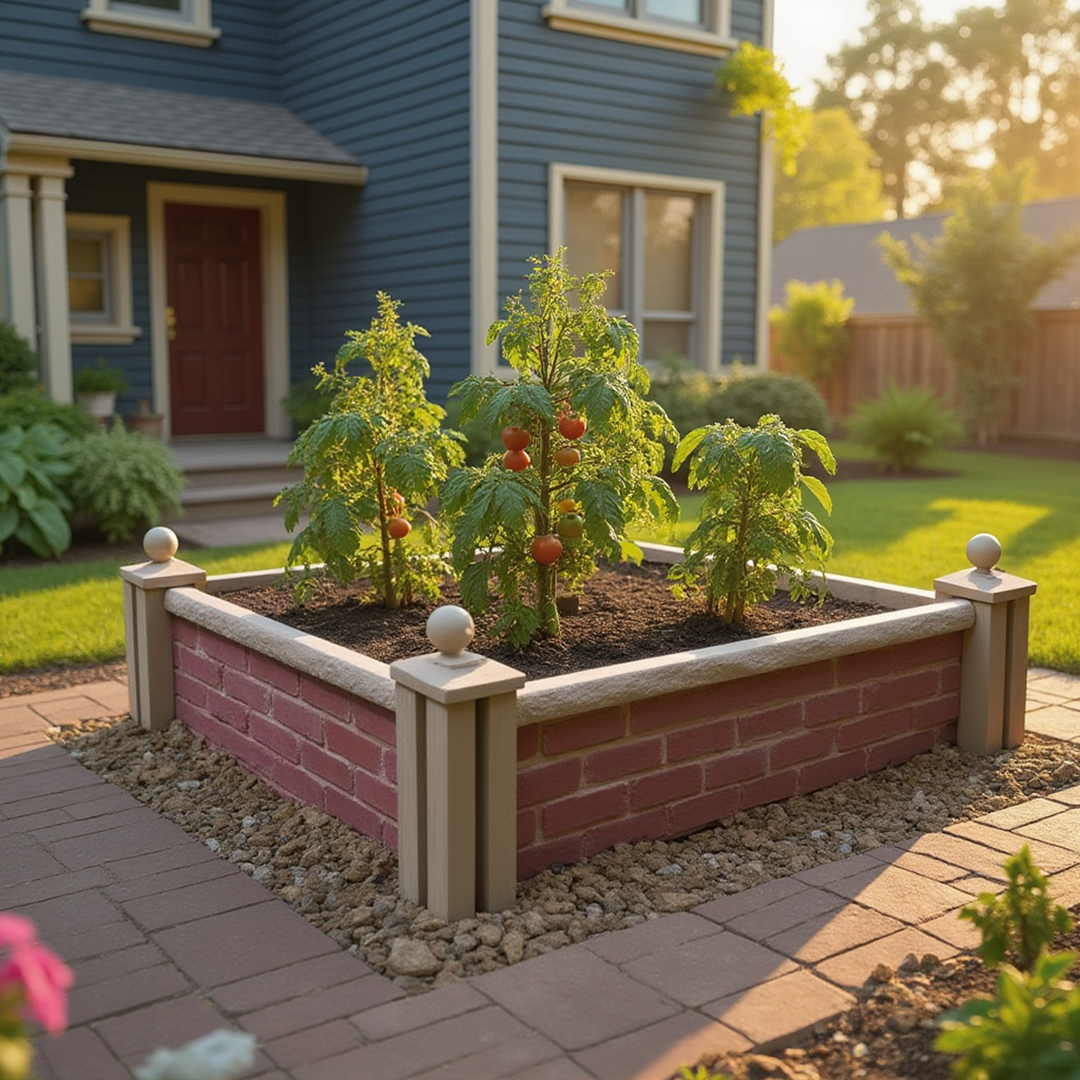
A GFRC precast base solves the foundation without either compromise. It arrives finished, sets in an afternoon, and carries the same load rating as the culvert covers that survive vehicle traffic.
Homebridge GFRC reaches compressive strength of 8,000 to 12,500 psi depending on mix specification. The denser Minnesota-spec mix hits 12,500 psi. The lighter formulation delivers roughly 8,000 psi at about 30 percent less weight, which matters when a homeowner is setting the base by hand.
💡 The panels are a commodity you can replace for a few hundred dollars. The base is the part you only want to install once.
The 20-year math
Here is the cost most guides leave out.
A polycarbonate kit runs $350 to $600. Replace it every 5 to 7 years and you spend $1,400 to $2,400 over a 20-year window, before you count the weekend labor to tear it down and rebuild it each time.
A permanent GFRC-base greenhouse costs more on day one. Then it stops costing. You replace panels if and when a panel actually fails, and the base outlasts the mortgage.
The math runs the same way it does for the raised garden bed and the retaining wall. Cheap outdoor products are not cheaper. They are deferred costs on a timer.
What season extension actually demands
Growing-season articles talk about soil temperature and cold-hardy varieties. Almost none of them talk about whether the structure holds up.
A greenhouse that extends the season in year 1 is easy. A greenhouse that still extends it in year 10 needs three things:
- Air sealing that holds. A frame that stays square keeps the warm air in. A warped frame leaks it.
- Structural integrity under snow load. The roof has to carry the weight it will actually see in February, not the weight in the catalog photo.
- A freeze-thaw immune base. If the foundation heaves, the seal breaks, and every other part of the system fails behind it.
Anthony spent three winters testing this product in Michigan before Homebridge sold a single unit. Kale through a Michigan November needs a structure that does not fail under Michigan-November conditions. That is a higher bar than the polycarbonate category was ever built to clear.
How to choose your structure
Match the greenhouse to how you actually live, not to the price tag.
- Your climate zone. If you get hard freezes, the base is not optional. Frost heave is what ends greenhouses in the north, and only a freeze-thaw immune foundation survives it.
- Your growing calendar. Weekend seed-starting in spring is one job. Year-round growing through winter is another, and it demands a structure that seals and holds heat across seasons.
- How long you plan to stay. Moving in three years, a kit may be fine. Planting for the next twenty, buy the base once and stop rebuilding.
⚠️ If the answer to any of those is "permanent," a plastic-channel kit is the wrong tool, no matter how good the panels look in the listing.
The option the category forgot
Every competing buyer's guide ends the same way, ranking one polycarbonate kit against another. None of them can point you to a precast concrete base, because Homebridge is the only manufacturer making one at residential scale.
So the whole category keeps answering a smaller question than the one you are actually asking.
You are not asking which panel lasts a little longer. You are asking which greenhouse you never have to buy again.
The base is the answer. Install it once, grow through the winter, and let the next replacement cycle happen to someone else.