The Hidden Cost of "Skilled Labor": Why GFRC Eliminates Your Biggest Contractor Headache
I spent three years testing GFRC products in real-world conditions. During that time, I watched two workers jump on a 4-foot panel spanning above the floor. The panel flexed but never cracked.
That test told me something the industry needs to hear: we've been solving the wrong problem.
The Labor Math Nobody Talks About
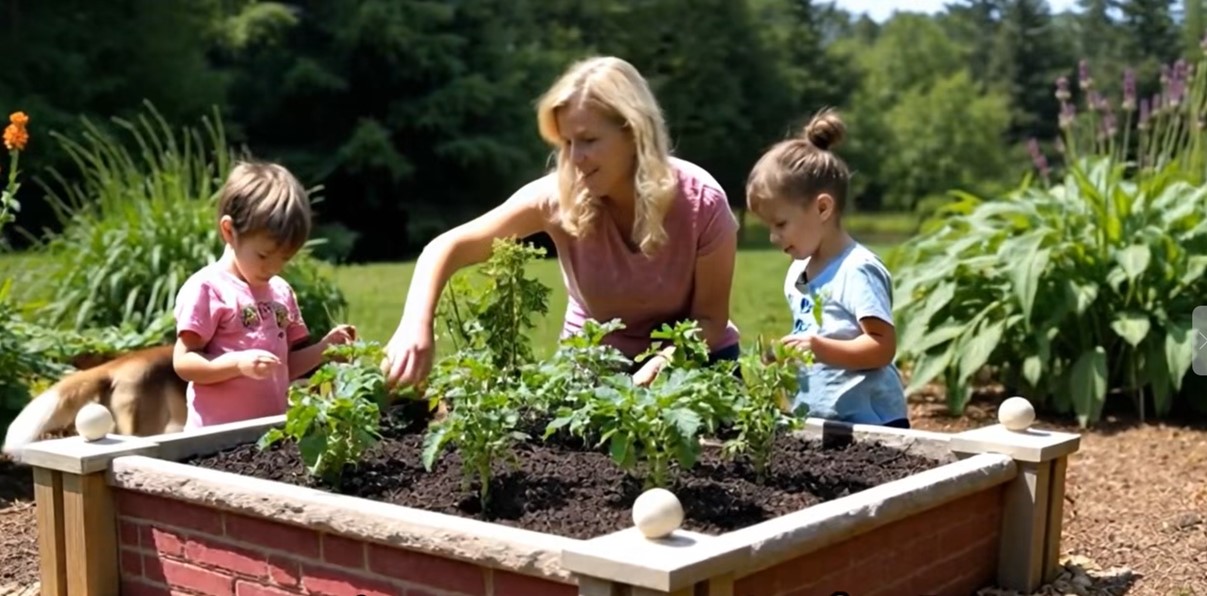
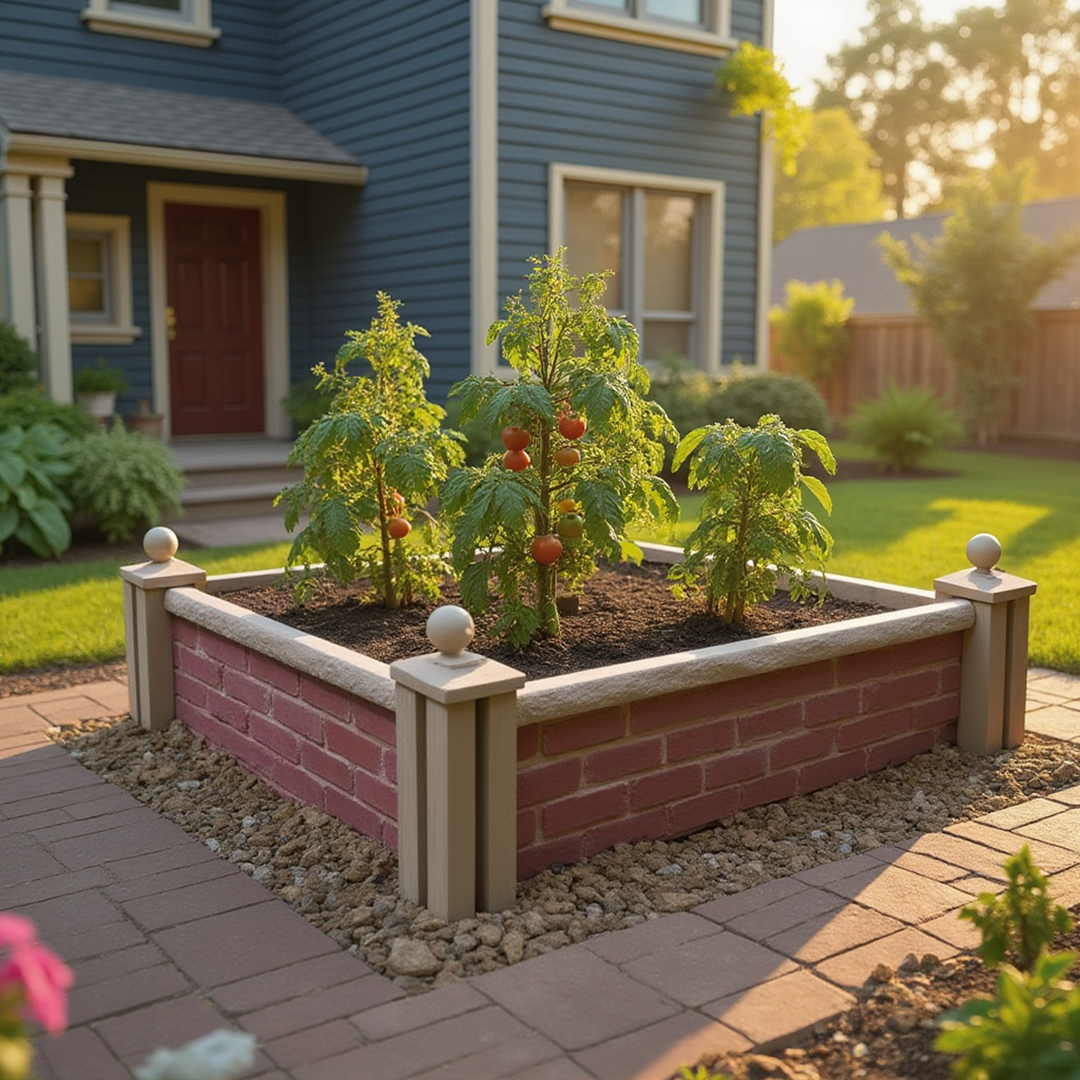
Let me walk you through a standard 4x4 raised garden bed installation using traditional laid-up masonry.
You start with excavation. Spoils get hauled off-site. Then you bring in stone dust or 21AA stone for the foundation. A load of stone arrives, and your mason spends hours sorting through sizes and shapes. You need a mixer and a pallet of mortar mix. If it rains, work stops and you still pay for the crew's time.
Total time: 48 person-hours minimum across three days.
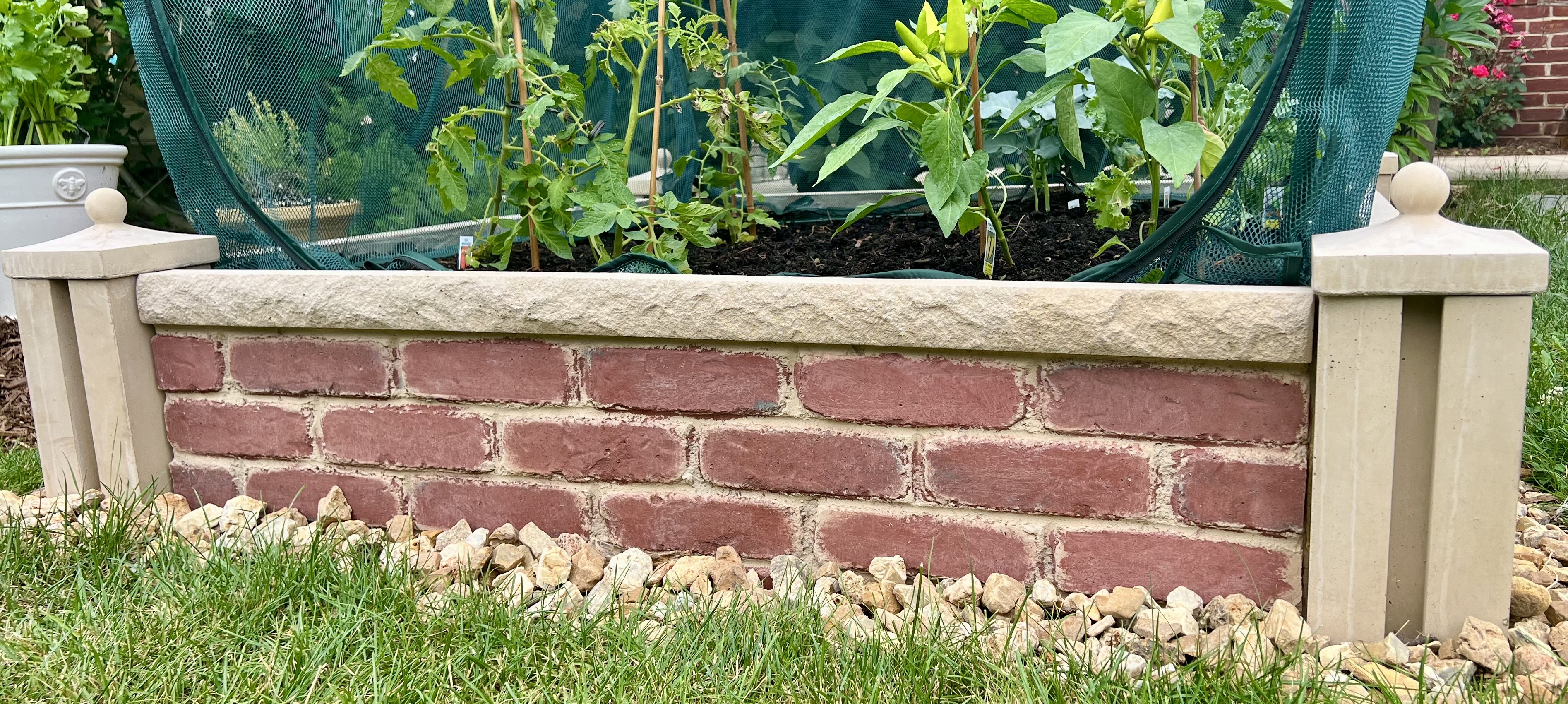
The same project with GFRC prefabricated walls takes two people about two hours. No foundation. No mortar. Just high-performance adhesive at the corners.
Total time: 10 person-hours.
The construction industry needs to attract 439,000 workers in 2025 to meet demand. Labor wages increased 4.1% over the past year. When you can't find skilled masons and the ones you have cost more every month, that 48-hour project becomes a profitability problem.
The Real Cost of "As Long As It Doesn't Rain"
Here's the part most cost comparisons ignore.
When your mason and helper show up and get rained out, you're billing the client $300 for four hours of nothing. You build it into your estimate or eat the cost. Either way, someone pays for weather you can't control.
GFRC installation happens in any weather. The panels are already cured. You're assembling, not building.
But weather delays are just the visible cost. The hidden cost is quality variability.
When "Skilled Labor" Means "Hope This Guy Shows Up"
I've seen beautifully constructed walls built by trained stone masons. I've also seen walls where the expectation is that mortar will hold everything together with minimal application.
The difference is dramatic. So is the performance.
Traditional masonry quality depends on foundation depth below frost line, proper backfill with granular material, and foundation drains for larger walls. Skip any of these steps and you're looking at cracking from freeze/thaw cycles, impacts, or shifting ground.
The call-back happens months or years later. The statute of limitations for breach of contract claims runs 3-10 years depending on your state. The statute of repose for defective work can extend 6-12 years after substantial completion.
You remain financially exposed long after the one-year callback warranty expires.
GFRC eliminates this exposure through material properties, not installation skill.
This Is NOT Your Daddy's Concrete
When contractors first see GFRC products, they worry about the thinness of the panels. They assume thin means fragile because that's their experience with regular concrete.
Here's what they don't know:
GFRC achieves 12,500 psi compressive strength. Regular concrete tops out around 3,000 psi. The glass fibers embedded in the matrix create flexural strength over 2,500 psi. That's why two workers can jump on a 4-foot span without damage.
Flexural strength eliminates freeze/thaw failure. The material moves without cracking. After three years of testing, we've seen zero cracking or spalling from freeze/thaw cycles or impacts, including cars running over culvert walls.
The GFRC products look the same a year after installation as they did on day one.
Best Practices That Actually Matter
If you're installing GFRC for the first time, follow the written directions exactly.
For culvert walls, dig out around the pipe enough to place 6 inches of granular material under the wall. Create a sloped section of granular material behind the wall to the surface. Install the slotted angle bracket at the top.
For planters, install on flat ground. Drive in the rebar pieces to eliminate lateral movement from erosion.
These steps take minutes. They ensure you get the full labor-saving and call-back-prevention benefits.
The real best practice is this: GFRC doesn't require skilled labor like cement masons or stone masons. It doesn't require heavy equipment or equipment operators. Two laborers handle the installation.
Your cost per hour drops. Your scheduling flexibility increases. Your quality becomes consistent regardless of who's on the crew.
The Numbers That Change Everything
Let's return to that 4x4 garden bed.
GFRC cost: $1,200 materials + $750 labor = $1,950 x 1.25 markup = $2,500
Laid-up masonry cost: $750 materials + $3,600 labor = $4,350 x 1.25 markup = $5,438
The masonry option costs more than double. And that's assuming perfect weather and no call-backs.
Prefabrication can reduce project timelines by up to 80% according to industry estimates. Strategic off-site assembly streamlines labor requirements, allowing contractors to do more with fewer onsite workers. In a market where you need to attract nearly half a million new workers just to meet demand, doing more with less isn't optional.
It's survival.
What This Means for Your Business
The construction industry is experiencing a labor crisis while costs rise 5-7% annually. You can't solve this by finding more skilled masons. They're retiring faster than they're being replaced.
You solve it by changing what "skilled" means.
GFRC shifts the skill from the field to the factory. The material properties handle durability. The prefabrication handles consistency. Your crew handles assembly.
The result: faster installations, lower labor costs, zero call-backs for material failure, and profit margins that actually work in 2025.
After three years of testing and real-world installations, I can tell you this: the contractors who adopt GFRC aren't just saving labor hours. They're eliminating the single biggest variable in their business—the availability and consistency of skilled labor.
That's not a cost savings. That's a business model change.