The Industry That Doesn't Want to Be Fixed
I thought the hardest part of launching GFRC products would be the engineering. Getting the mix right. Passing ASTM standards. Surviving Michigan winters.
That part was complex but solvable.
The real challenge surprised me. It wasn't technical at all. It was realizing that the industry doesn't want to change, even when change clearly benefits everyone involved.
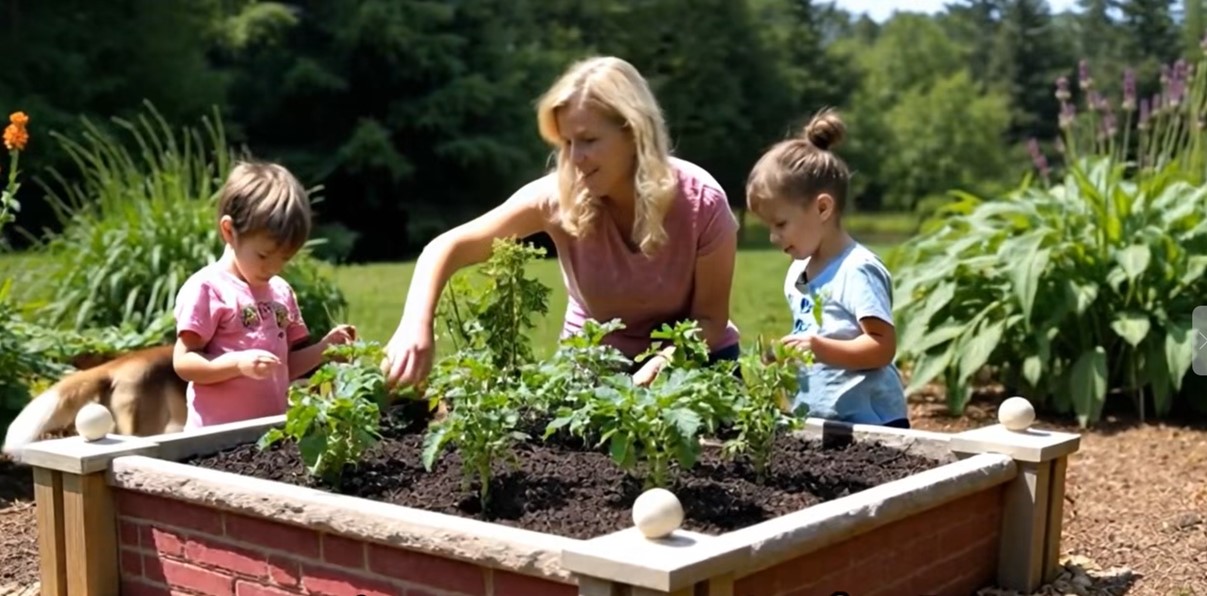
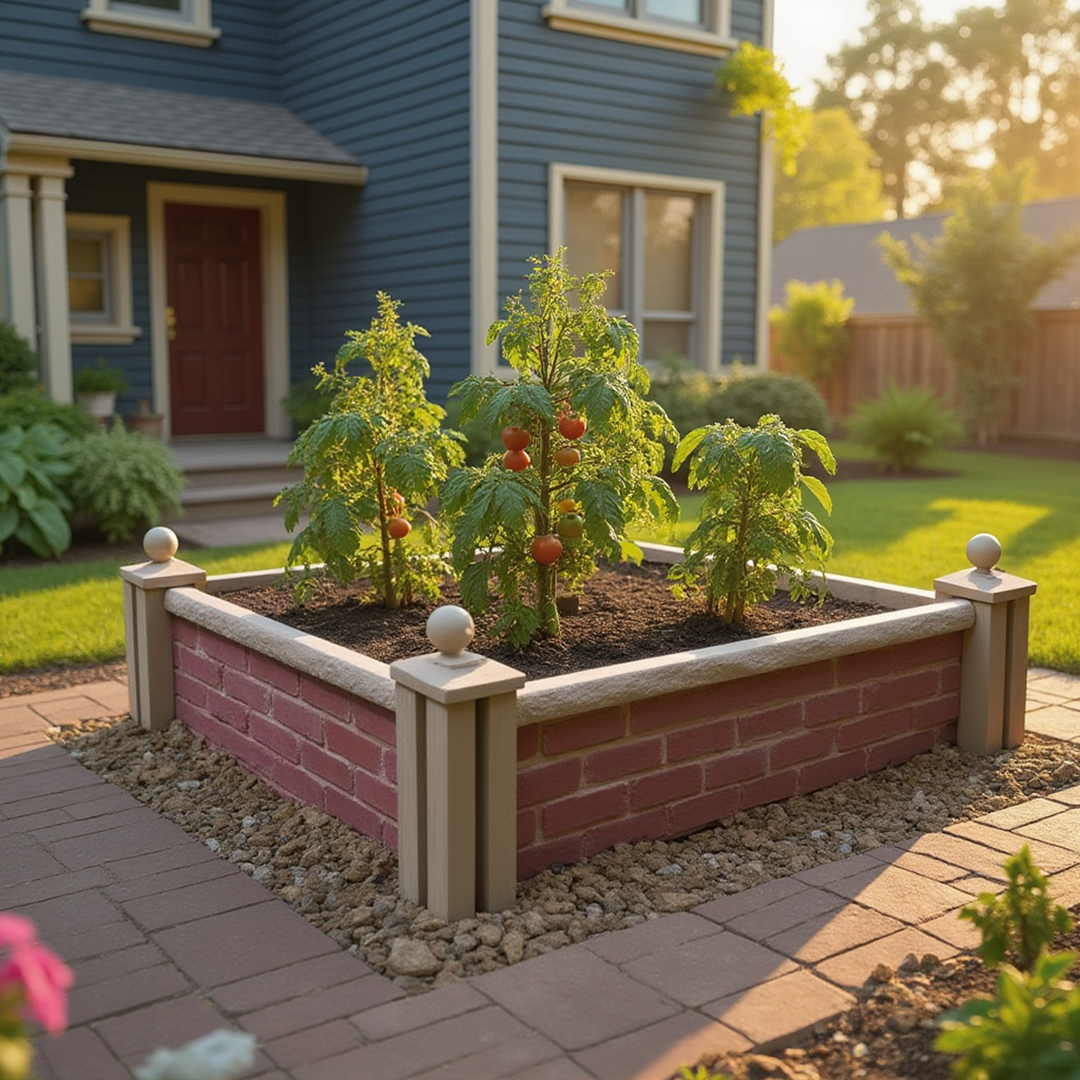
I spent two years designing and testing prototypes of culvert walls and raised gardens. We achieved 12,500 psi compressive strength—four times stronger than regular concrete. We proved freeze-thaw immunity. We validated that our prefabricated GFRC installs in one-eighth the time compared to traditional methods.
The data was undeniable. The benefits were clear. The product worked.
But when I started talking to landscapers and contractors, I encountered something I didn't expect: resistance disguised as skepticism.
The Industry's Default Setting
Construction boasts a conservative culture and general preference for tradition. The familiar refrain echoes across job sites everywhere: "This is how we've always done things."
The numbers back this up. Construction still ranks among the least digitized sectors in the economy. While other industries embraced AI and data analytics, construction held back.
Here's the part that really got me: While 52% of construction companies considered field staff needs when investing in technology, only 28% actually received feedback from potential users before purchasing it.
Translation: Even when companies try to innovate, they skip the people who will actually use the innovation.
The result? Workers don't embrace new technology. Adoption stalls or stops completely.
What I Saw on the Ground
I talked to landscape contractors who complained about labor shortages. They told me about crews that disappeared mid-project. They described the nightmare of training new workers only to watch them leave for another company.
The labor crisis is real.
According to recent industry data, 54% of contractors identify recruiting and retaining staff as a top business risk—right alongside economic uncertainty and rising material costs.
The numbers get worse: 59% of landscape firms say hiring is tougher than pre-COVID. And 76% still have open roles they can't fill.
So companies are throwing money at the problem. 70% of contractors plan to raise wages in 2026, with 44% planning increases of 4% or more.
But money alone doesn't solve this.
I watched contractors struggle with the same cycle: hire inexperienced workers, spend time training them, deal with reduced productivity and quality issues, handle callbacks from unhappy clients, and damage relationships when workers disappear.
Then I'd show them our GFRC products. Prefabricated. Installs in hours instead of days. Eliminates most of the skilled labor requirement for installation.
Their response? "Interesting, but we're used to doing it the old way."
The Prefabrication Advantage Nobody Wants
The data on prefabrication tells a compelling story.
Prefabrication can speed construction by as much as 50%. It can cut construction costs by 20%. Project owners can reduce materials costs by 5% to 10%.
The time savings come from precise planning, elimination of weather delays, and simultaneous construction in controlled factory environments.
Here's the part that matters most for landscapers facing labor shortages: Prefabrication requires fewer on-site workers. Skilled factory labor produces components efficiently while installation teams need less expertise and fewer people.
This directly addresses what contractors told me they needed. Less labor time on-site. Lower costs for supervision. Reduced dependency on finding and keeping skilled workers.
But when I explained this, I kept hearing variations of the same objection: "Our guys know how to build things the traditional way."
The Real Resistance
I started to understand what I was really facing. This wasn't about whether GFRC worked. It wasn't about whether our products met standards or delivered value.
This was about identity.
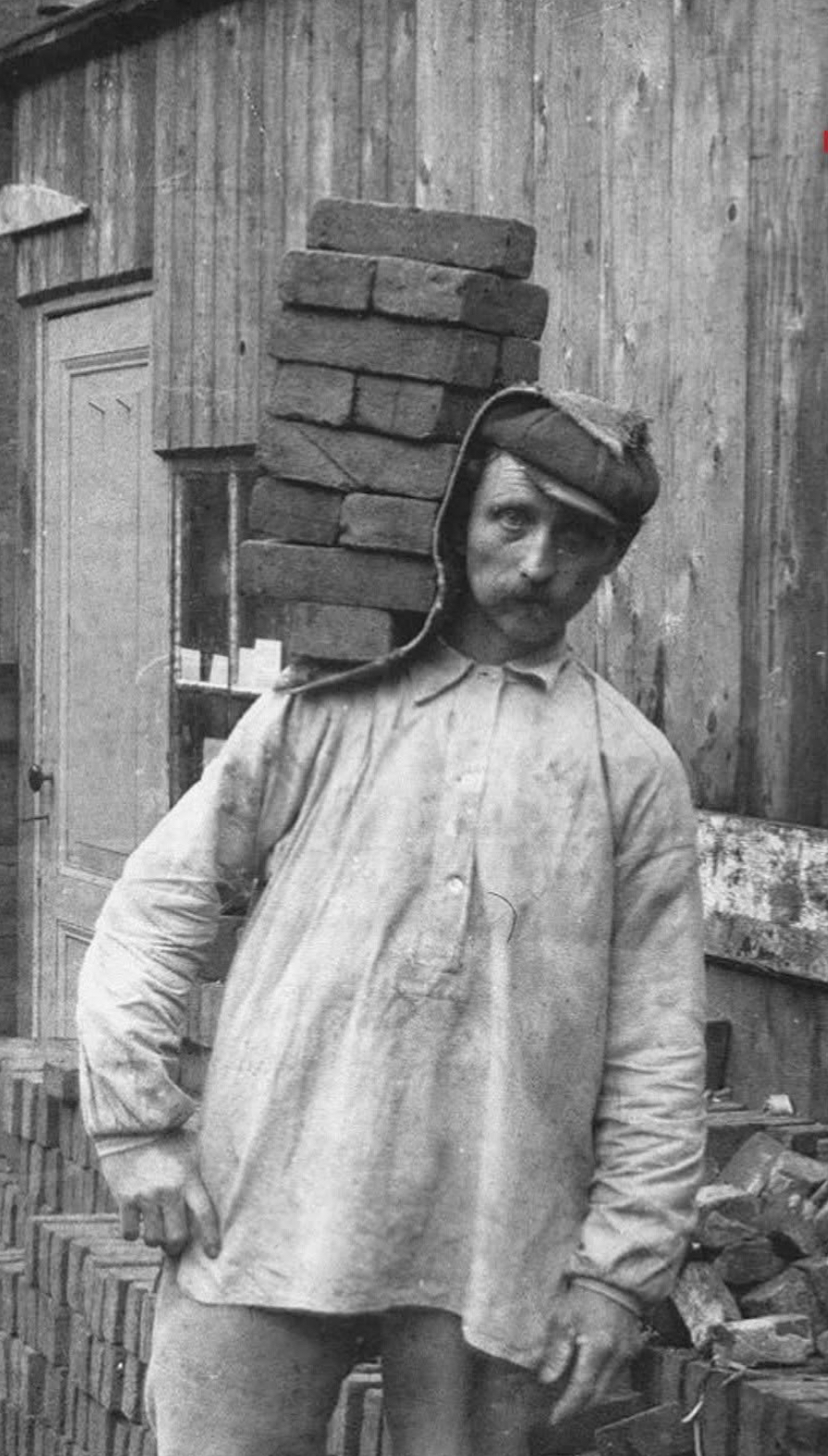
Contractors and landscapers built their businesses on mastery of traditional methods. They take pride in their craftsmanship. They earned their reputations through years of hands-on work.
When I showed up with prefabricated products that eliminated much of that skilled labor, I wasn't just offering a new product. I was threatening their sense of professional identity.
The "not invented here" syndrome runs deep in construction. Teams reject innovations developed by other disciplines or industries. They prefer solutions from within their own professional community.
I wasn't one of them. I came from outside with a material most of them had never heard of. GFRC wasn't part of their world.
Even though glass fiber reinforced concrete weighs up to 75% less than traditional concrete while being stronger. Even though it resists rain, moisture, alkali attack, and corrosion. Even though the glass fibers mean it won't rust, crumble, or crack like traditional concrete in harsh environmental conditions.
The technical advantages didn't matter as much as the cultural barrier.
The Pandemic Changed Something
Then COVID hit. And something shifted.
In 2020, the construction industry adopted more technology in one year than what would have normally taken three years. External pressure made change necessary instead of optional.
I saw this firsthand. Contractors who had been skeptical started asking different questions. Instead of "Why should we change?" they asked "How does this work?"
The labor shortage intensified. The cost pressures increased. The old ways stopped being viable for many companies.
Suddenly, reducing installation time from days to hours mattered. Eliminating the need for specialized masonry skills mattered. Controlling labor costs mattered more than protecting traditional methods.
What I Learned About Change
Innovation in a resistant industry requires more than a better product. It requires understanding what people are really protecting when they resist change.
Contractors aren't stupid for preferring traditional methods. They built successful businesses using those methods. They developed expertise and reputation around them.
But the landscape is shifting whether they want it to or not.
The labor shortage won't fix itself. Wages will keep rising. The pool of skilled workers will keep shrinking. The pressure to do more with less will keep increasing.
Companies that figure out how to reduce labor dependency will have an advantage. Those that cling to labor-intensive methods will struggle.
I'm not saying GFRC products are the only answer. But I am saying that prefabrication addresses real problems that contractors face every day.
The Path Forward
We're scaling Homebridge Precast now. We're marketing to DIY homeowners, hardscapers, landscape architects, designers, and distributors.
The reception has improved. More people are willing to try something new. The external pressures are finally strong enough to overcome the internal resistance.
But I'm under no illusion that we've solved the cultural challenge. Every conversation still requires education about GFRC. Every sale still requires overcoming the "this is how we've always done it" mindset.
The difference now is that more people are ready to listen. The pain of staying the same has started to exceed the discomfort of trying something new.
That's the real lesson I learned: You can't force an industry to change. You can only be ready when the industry decides it's time.
The engineering was the easy part. The waiting was harder. But watching contractors discover that they can install beautiful, durable landscape features in a fraction of the time with a fraction of the labor?
That makes the resistance worth pushing through.