The Industry's Dirty Secret About Wood and Metal Garden Beds
TL;DR: Wood and metal garden beds are designed to fail within 5-10 years, forcing homeowners to spend thousands on replacements. After 20 years as a landscape architect and three years testing materials, I found that traditional garden bed materials rot, rust, and break down by design. GFRC (glass fiber reinforced concrete) offers 50+ year durability at 12,500 psi compressive strength, eliminating the replacement cycle.
Untreated pine garden beds rot within 3-5 years, cedar lasts 10-20 years maximum
Metal garden beds rust after 3 years in acidic soil despite 20-year lifespan claims
Replacing garden beds every 5-6 years costs $840+ over 20-25 years
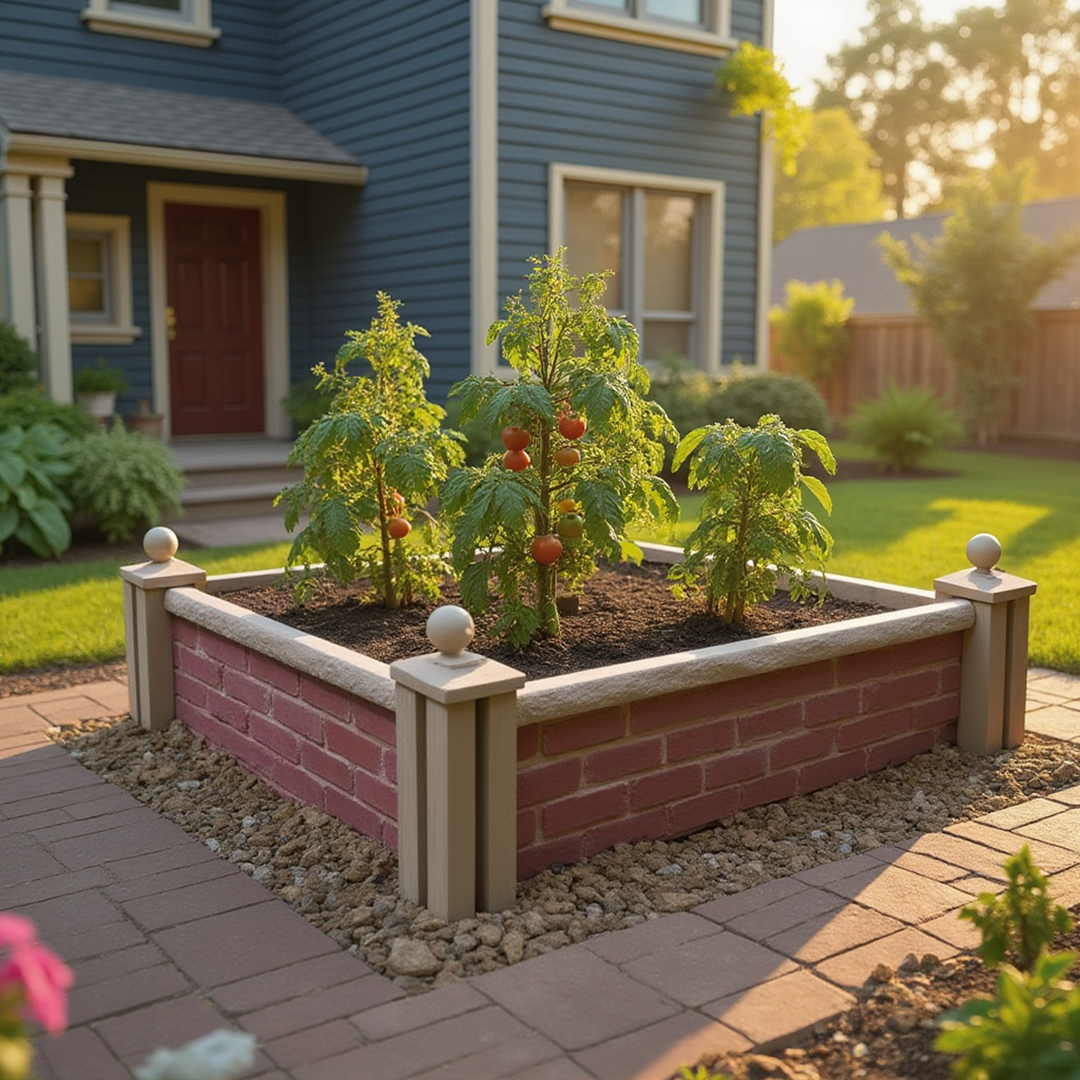
GFRC garden beds survive freeze-thaw cycles, don't rot or rust, and last 50+ years
Ask about compressive strength, freeze-thaw testing, and field test duration before buying
I've worked as a landscape architect for 20 years before starting my own manufacturing company. In those two decades, I saw the same pattern repeat.
Homeowners spend $2,000 to $3,000 on cedar or powder-coated metal raised garden beds. Five years later, they're calling for replacements.
The wood rots. The metal rusts. The manufacturers expect this to happen.
How Long Do Wood and Metal Garden Beds Really Last?
The industry keeps this information buried. Untreated pine rots within a few years when exposed to wet soil and insects. Premium cedar and redwood last 10 to 20 years under perfect conditions (which don't exist in real gardens).
Pine beds give you 3 to 5 growing seasons before rot appears.
Metal beds perform worse than advertised. Galvanized steel beds sold with "20-year lifespans" show rust spots within 3 years in typical garden conditions. Protective coatings break down faster than sellers admit, particularly in acidic soil.
This follows a deliberate pattern. Planned obsolescence reduced lightbulb lifespans by more than 50% in 1924. Garden bed manufacturers follow the same playbook.
Bottom Line: Traditional garden bed materials are engineered for predictable failure, creating a profitable replacement cycle for manufacturers.
What Does the Replacement Cycle Cost You?
Installing a raised garden bed costs $1,000 to $3,000. Replace one every 5 to 6 years over 20 to 25 years, and you'll spend $840+ in total replacement costs.
You're paying nearly double compared to buying a durable alternative once.
Manufacturers count on the "factory tire mentality." They build products good enough to look premium but designed to fail right after warranty periods end.
The Math: Spending $1,500 on beds every 6 years adds up to $6,000 over 24 years. A 50-year solution at $3,000 saves you $3,000 while eliminating replacement hassles.
Why GFRC Garden Beds Last 50+ Years
After founding Homebridge Precast in 2019, I tested materials for three years. I needed to know why traditional options fail and what holds up.
GFRC (glass fiber reinforced concrete) outperformed everything else. The material delivers four times the strength of regular concrete at 12,500 psi compressive strength. GFRC survives freeze-thaw cycles without cracking, never rots, and won't rust.
We've put our products through Michigan winters and summer heat for over three years. They maintain their appearance year after year without deterioration.
Key Facts About GFRC:
12,500 psi compressive strength (4x stronger than standard concrete)
2,000+ psi flexural strength
Immune to freeze-thaw damage (tested per ASTM standards)
Zero maintenance required for 50+ years
Installs in hours, not days
What This Means: GFRC eliminates the built-in obsolescence of wood and metal while delivering superior durability and aesthetics at a fraction of traditional stonework costs.
What Questions Should You Ask Before Buying Garden Beds?
Protect your investment by asking sellers these specific questions:
What's the compressive strength? (Look for 12,500 psi or higher)
How does it handle freeze-thaw cycles?
What happens in acidic soil conditions?
How long has it been field-tested?
Sellers who dodge these questions with vague marketing language are hiding something. Manufacturers with durable products provide specific test data and real-world performance metrics.
Your Move: Write these questions down before shopping. The answers reveal whether you're buying a product or a replacement cycle.
Frequently Asked Questions
Do treated wood garden beds last longer than untreated pine?
Yes, but not by much. Treated lumber lasts 7 to 10 years compared to 3 to 5 years for untreated pine. Chemicals delay rot but won't prevent the breakdown from moisture, insects, and soil contact. Cedar and redwood offer better longevity at 10 to 20 years, but you're looking at multiple replacements over your lifetime.
Why do metal garden beds rust if they're galvanized?
Galvanization adds a zinc coating to protect steel from rust. Soil contact, particularly acidic soil common in vegetable gardens, breaks down this coating faster than manufacturers admit. Small scratches or dents expose bare metal underneath. Once the protective layer fails, rust spreads quickly. Most galvanized beds show visible rust within 3 to 5 years despite 20-year warranty claims.
How long does GFRC last compared to wood or metal?
GFRC garden beds last 50+ years with zero maintenance. Wood lasts 3 to 20 years depending on species. Metal lasts 5 to 15 years before rust compromises structural integrity. GFRC (glass fiber reinforced concrete) doesn't rot, rust, or degrade from freeze-thaw cycles, eliminating the replacement cycle entirely.
Is GFRC safe for growing vegetables?
Yes. GFRC is inert and doesn't leach chemicals into soil. Unlike treated lumber (which contains chemicals) or metal (which releases trace elements as it corrodes), GFRC maintains its composition without breaking down. The material has been tested extensively and meets safety standards for food-contact applications.
What's the real cost difference between cheap and durable garden beds?
A $1,500 cedar bed replaced every 6 years costs $6,000 over 24 years. A $3,000 GFRC bed lasting 50+ years saves $3,000 in replacement costs while eliminating installation labor every few years. Factor in your time, and durable options pay for themselves within 10 to 15 years.
How strong does a garden bed material need to be?
Soil weighs roughly 75 to 100 pounds per cubic foot when wet. Garden beds experience constant lateral pressure, freeze-thaw expansion, and impact from garden tools. Materials with compressive strength below 8,000 psi crack over time. GFRC at 12,500 psi provides a safety margin that prevents structural failure under real-world conditions.
Can I trust manufacturer warranty claims?
Read warranty fine print carefully. Most warranties cover manufacturing defects, not material degradation from normal use. A "20-year warranty" on metal beds typically excludes rust from soil contact. Wood warranties exclude rot from moisture. Ask sellers what specific failures the warranty covers and request claim statistics.
What does freeze-thaw testing tell you about durability?
Freeze-thaw cycles are a leading cause of material failure in cold climates. Water enters pores, freezes, expands, and creates cracks. Materials without proper testing fail within 3 to 5 winters. GFRC tested per ASTM standards survives hundreds of freeze-thaw cycles without damage because its dense structure prevents water penetration.
Key Takeaways
Wood garden beds rot within 3 to 20 years. Metal beds rust within 3 to 15 years. Both follow planned obsolescence patterns designed to drive replacement sales.
Replacing garden beds every 5 to 6 years costs twice as much as buying durable materials once. You'll spend $6,000+ over 24 years on short-lived options versus $3,000 for a 50-year solution.
GFRC (glass fiber reinforced concrete) delivers 12,500 psi compressive strength, survives freeze-thaw cycles, and requires zero maintenance for 50+ years.
Ask sellers about compressive strength, freeze-thaw testing, acidic soil performance, and field test duration. Vague answers signal products designed to fail.
Materials tested for over three years under real-world conditions provide reliable performance data. Manufacturers hiding test results are selling replacement cycles, not solutions.