The Labor Illusion: How I Discovered Construction's Hidden Tax
I spent 40 years in construction before I saw it.
The problem was hiding in plain sight. Every estimate. Every bid. Every project.
Labor variability.
Not labor costs. Those you can calculate. I mean the unpredictable chaos that happens when you can't control how long something takes to build in the field.
The Problem I Kept Seeing
I worked for Skanska Building. Led the Planning Group at The Christman Company. Got certified through the Society of American Value Engineers. I learned to analyze costs down to the penny.
But here's what I noticed: contractors weren't losing money on materials or equipment. They were bleeding on labor uncertainty.
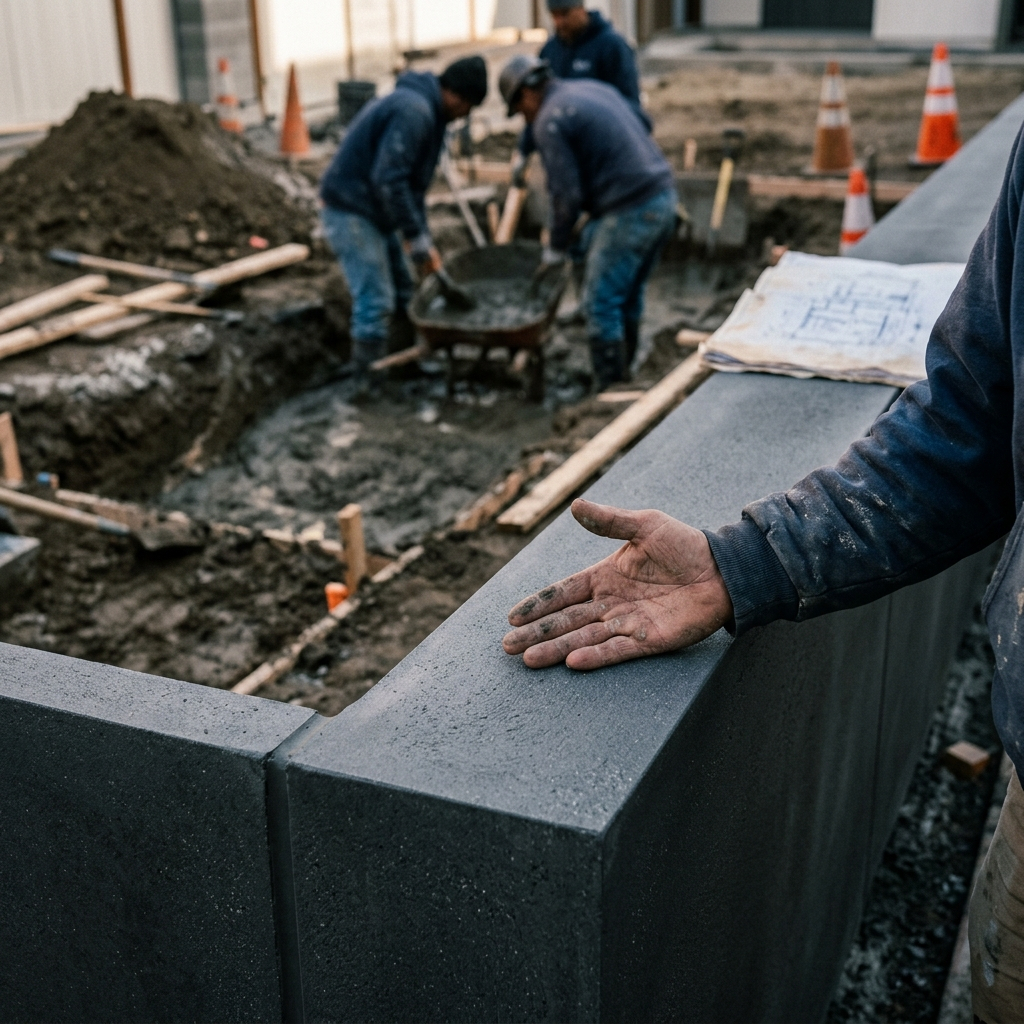
A retaining wall project gets quoted at 40 hours. Weather delays it. Soil conditions are worse than expected. The crew needs an extra day. Maybe two.
The contractor absorbs those costs.
So what do they do? They pad the next estimate. Add 20% for safety. Maybe 30%. Now they're less competitive. They lose bids to contractors who haven't been burned yet.
The whole industry runs on this cycle. Underestimate. Overrun. Pad. Repeat.
The Obstacle Nobody Talks About
During COVID, I authored economic data to help owners navigate the pandemic. I spoke at events country-wide. I kept hearing the same frustration from landscape contractors and property managers.
"We can't control installation time."
"Every project is different."
"Labor costs keep surprising us."
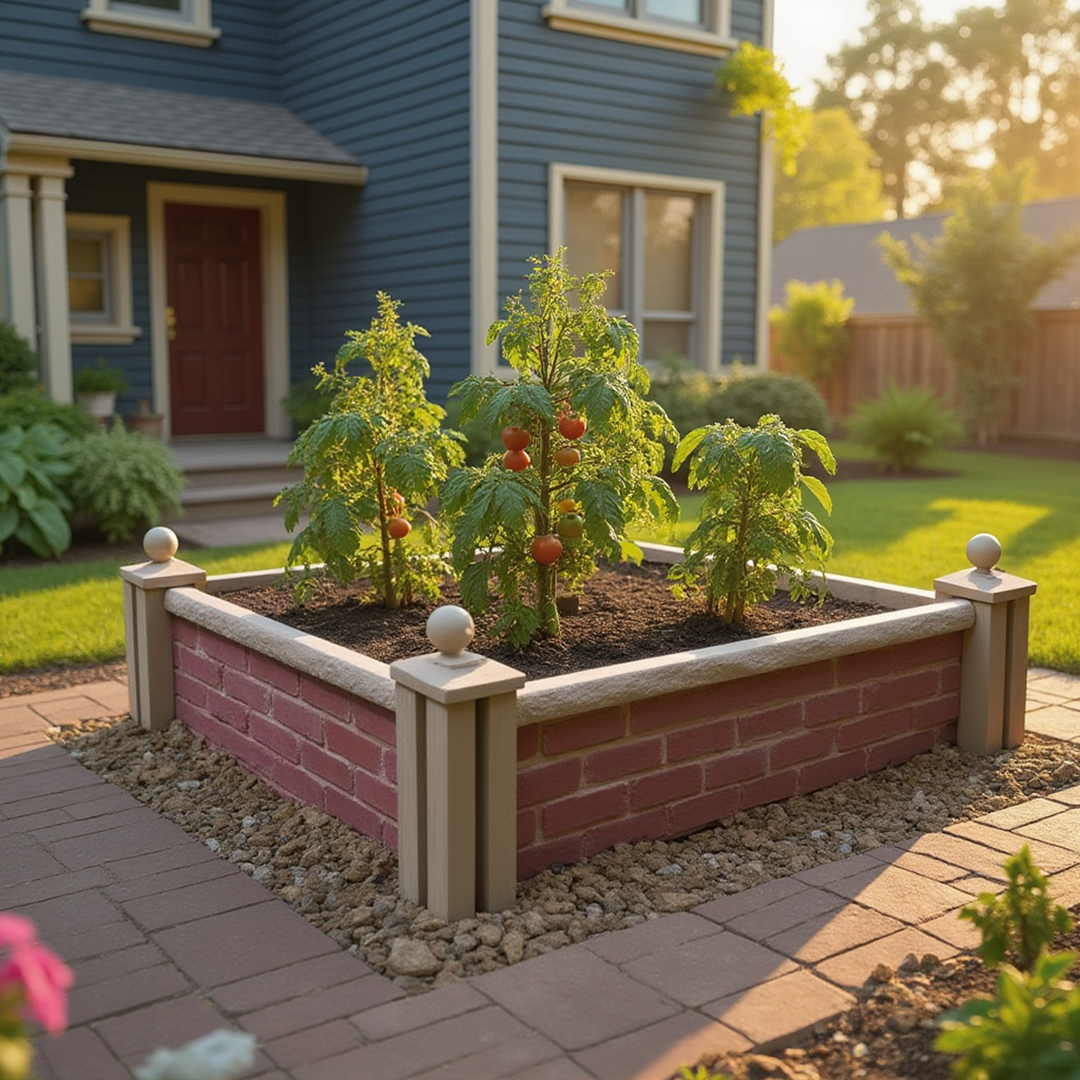
I started digging into the numbers. A typical raised garden bed installation using traditional methods takes multiple days. You need skilled masons. You're building on-site, dealing with weather, managing material deliveries, coordinating crews.
Two laborers become four. A two-day job stretches to five.
The labor variability drives up final prices. Not because contractors are greedy. Because they're trying to survive.
What I Figured Out
The answer wasn't better project management or tighter scheduling. Those help, but they don't solve the root problem.
The answer was eliminating field labor variability entirely.
I'd been studying Glass Fiber Reinforced Concrete for years. GFRC has been around since the 1940s, but mostly in architectural applications. Thin shell construction. Lightweight panels that are four times stronger than regular concrete.
Here's what clicked: if you prefabricate landscape elements in a controlled shop environment, you eliminate almost all the variables that make field installation unpredictable.
No excavation surprises.
No weather delays.
No foundation digging.
No skilled mason required.
I founded Homebridge Precast in 2019. Spent two years designing and testing prototypes of culvert walls and raised gardens. We ran every ASTM test on GFRC we could find. Freeze-thaw cycles. Compressive strength. Flexural strength.
The material performed. 12,500 psi compressive strength. Over 2,000 psi flexural strength. Immune to freeze-thaw damage.
But the real test was installation time.
The Numbers That Changed Everything
Traditional raised garden installation: multiple days, four workers, skilled labor required.
Our GFRC prefabricated system: one day, two workers, no special skills needed.
We reduced labor costs by up to 80%.
Not by cutting wages. Not by rushing the work. By engineering out the variability.
A contractor can now quote a landscape project with confidence. The installation time is predictable. The labor requirement is fixed. The risk is minimal.
That's the labor illusion I discovered.
Everyone in construction thinks labor costs are the problem. They're not. Labor uncertainty is the problem. The inability to predict how long something will take in the field creates a hidden tax on every project.
What This Means for the Industry
I'm not saying prefabrication solves every construction challenge. It doesn't.
But for landscape improvements, hardscaping, outdoor structures? The math is clear.
Prefabrication trades field chaos for shop precision. It replaces skilled mason work with simple assembly. It eliminates the variables that make contractors pad their estimates.
We're scaling now. Marketing to DIY homeowners, property managers, landscape contractors, and designers. The response has been interesting.
DIYers love it because they can install professional-quality landscape features themselves.
Contractors are more skeptical. They need to see it work. They need proof that thin GFRC panels are actually stronger than thick concrete walls. They need to understand that prefabrication isn't about cutting corners. It's about controlling variables.
The Real Lesson
I spent decades doing value engineering in construction. The core principle is simple: reduce cost without compromising quality.
But most people focus on the wrong costs. They look at material prices. Equipment rental rates. Overhead percentages.
The biggest cost in construction isn't what you pay for. It's what you can't predict.
Labor variability is that cost. It shows up as padded estimates, lost bids, project delays, and contractor stress.
GFRC prefabrication doesn't eliminate labor. It eliminates labor uncertainty.
That's the difference between a cost and an illusion.
The labor illusion made me rethink everything I knew about landscape construction. It led me to start Homebridge. It drives every product we design.
Because once you see the illusion, you can't unsee it.
And once you solve it, you change how an entire industry thinks about installation time, project risk, and what's actually possible with the right material and the right approach.