The Three Questions That Reveal Whether You're Building an Asset or Renting a Problem
I've spent four decades watching construction projects make the same mistake.
A project starts with a vision. Then the budget conversation happens. Materials get swapped. Quality gets negotiated. And everyone tells themselves it's a reasonable compromise.
I've seen it from every angle. As a landscape architect at Michigan State. During my MBA at University of Michigan. Leading planning at The Christman Company. Working value analysis at Skanska Building. And now, designing and manufacturing GFRC landscape products at Homebridge Precast.
The pattern never changes. Design compromises substitute lower-cost materials to maintain profitability, sometimes to the detriment of performance, maintenance, or longevity.
But here's what I learned: the cheapest material decision is rarely the cheapest decision.
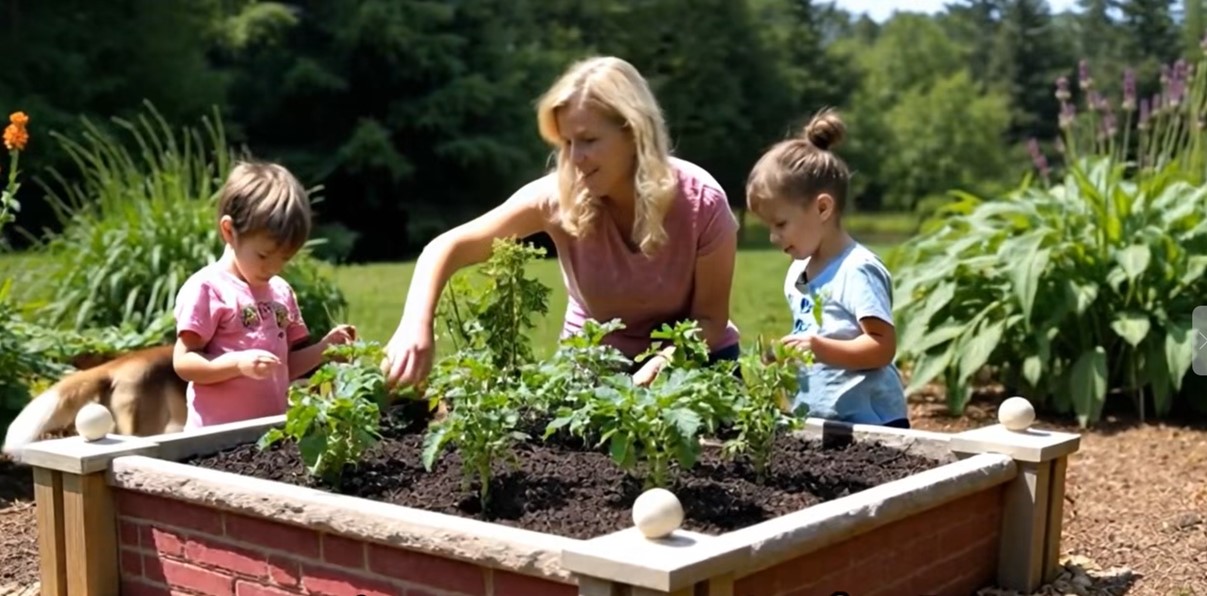
I developed a framework that cuts through the noise. Three questions that reveal the real cost of any landscape investment. This framework applies whether you're a homeowner planning a raised garden bed, a property manager evaluating retaining walls, or a landscape contractor choosing materials for a client.
These questions changed how I think about every material decision.
Question One: How Long Will This Actually Last?
Most people focus on installation cost. I focus on replacement cycles.
When you install a landscape feature, you're not just buying the material. You're buying every year that material will perform without replacement. GFRC is characterized by enhanced freeze-thaw resistance, impact resistance, and durability that outlasts precast concrete, cast stone, and even some natural stone.
I've tested our products for over three years in Michigan weather. Freeze-thaw cycles that destroy traditional concrete? GFRC handles them without degradation.
Traditional concrete develops cracks. Wood rots. Metal rusts. These aren't possibilities. They're timelines.
When I evaluate a material, I ask: What's the replacement cycle? Three years? Ten years? Thirty years?
A material that costs twice as much but lasts ten times longer isn't expensive. It's a bargain.
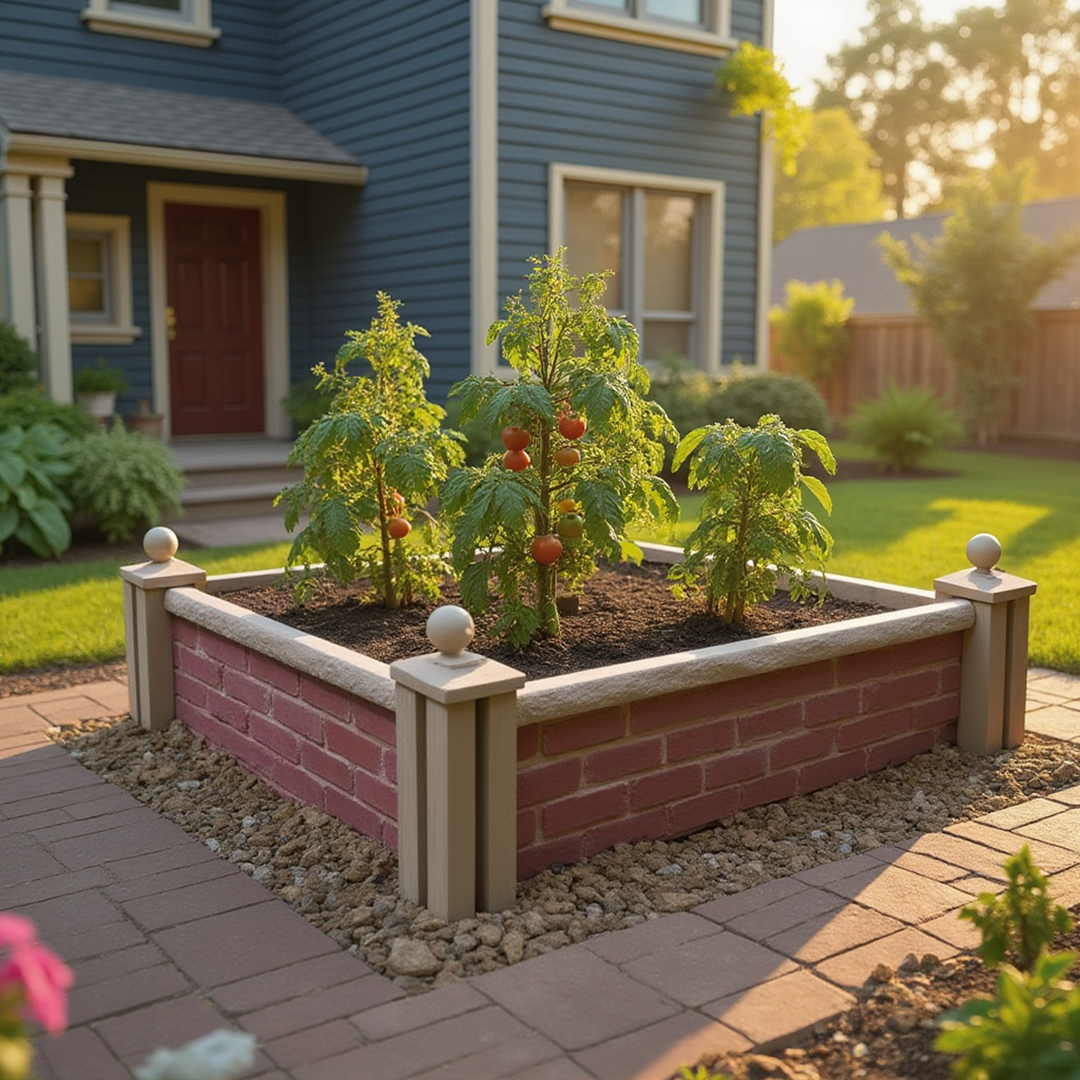
The math is simple. A $500 wood raised garden bed that needs replacement every five years costs $2,500 over 25 years. A $1,200 GFRC raised garden that lasts 50 years costs $1,200 over 25 years.
You're not comparing prices. You're comparing total ownership costs.
Question Two: What's the Hidden Labor Multiplier?
Material cost is visible. Labor cost is where projects bleed money.
Labor represents around 80% of total landscaping costs. For landscape contractors, controlling labor variability isn't just important. It's the difference between profit and loss.
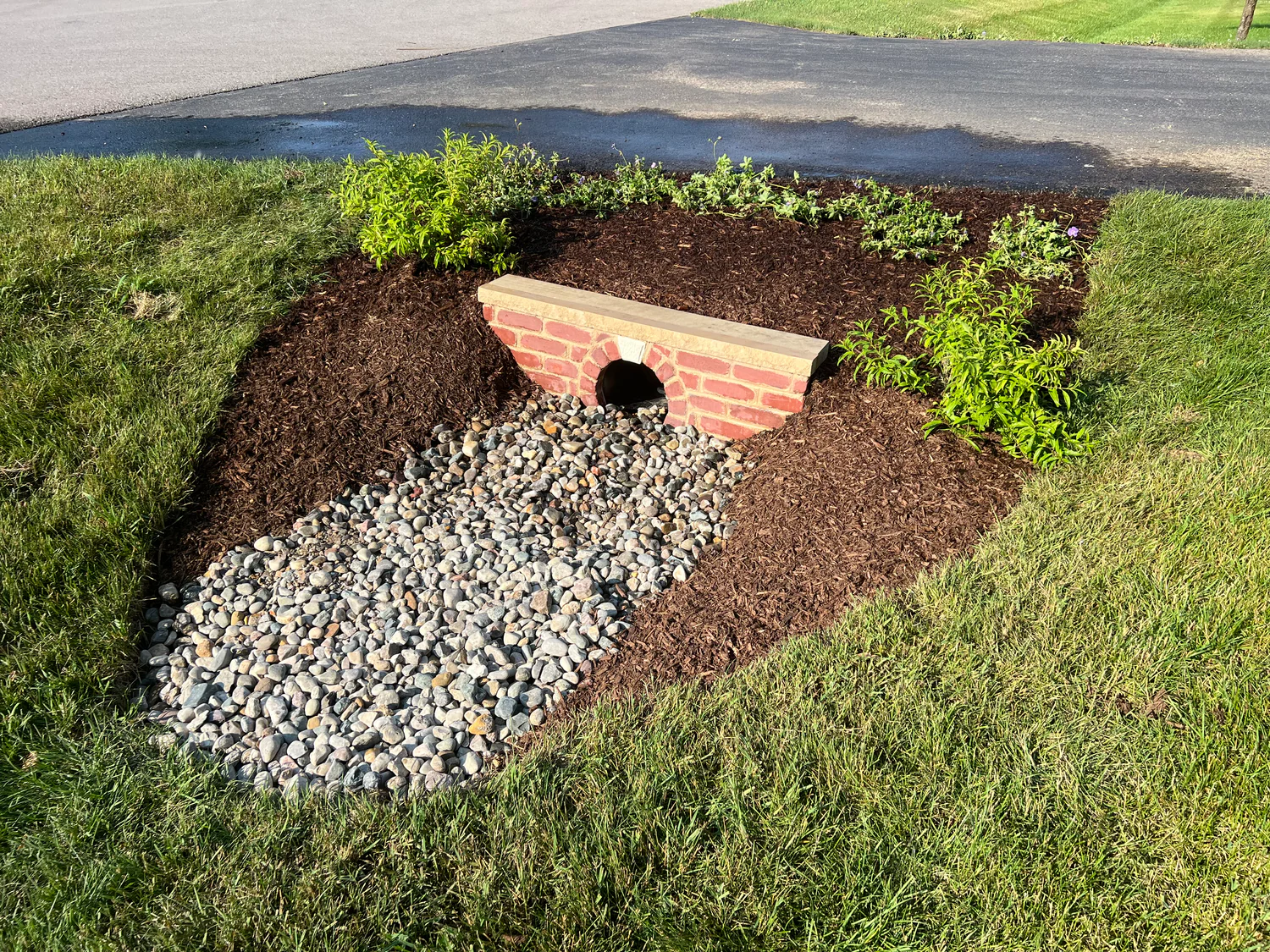
I designed our culvert walls and raised gardens to install in one-eighth the time of traditional methods. Not because speed is flashy. Because time is money, and unpredictable labor is the bane of every contractor.
Here's what traditional installation looks like:
Excavation
Foundation preparation
Material delivery in multiple loads
On-site assembly or construction
Curing time
Finishing work
Cleanup
Each step introduces variables. Weather delays. Skill variations. Material waste. Schedule conflicts.
Prefabricated GFRC products eliminate most of these variables. You excavate, you set, you backfill. The product arrives finished. No curing. No on-site construction. No weather-dependent processes.
When installation takes one-eighth the time, contractors gain predictability and homeowners gain speed to enjoyment.
Both are measurable value propositions. A landscape contractor can complete eight projects in the time traditional methods require for one. A homeowner can enjoy their new raised garden this weekend instead of next month.
The labor multiplier reveals itself in the total project cost. A $300 material that requires $1,200 in labor costs $1,500. A $600 material that requires $300 in labor costs $900.
You're not buying materials. You're buying installed systems.
Question Three: Am I Buying an Asset or Renting a Problem?
This question separates thinking from reacting.
An asset increases property value. Smart landscape design delivers ROI of 200-400%, and quality hardscaping shows property value increases of 10-30%.
A problem requires ongoing maintenance, eventual replacement, and compounds over time.
I've watched homeowners install budget retaining walls that fail within three years. The cost isn't just replacement. It's the erosion damage. The plant loss. The disruption. The contractor scheduling. The whole cycle starting over.
You didn't save money. You rented a problem.
Material decisions create trajectories. A durable material follows a flat maintenance curve. A budget material follows an exponential problem curve.
Year one looks similar. Year five tells the story. Year ten reveals the real cost.
GFRC has compressive strength of 12,500 psi, four times stronger than regular concrete. Flexural strength exceeds 2,000 psi. These numbers aren't marketing claims. They're ASTM test results that predict performance over decades.
When you install a GFRC culvert wall, you're not planning for replacement. You're creating a permanent landscape feature.
That changes the calculation entirely. The average homeowner can expect 104% ROI on landscape maintenance. But that assumes maintenance is manageable. When your landscape features are immune to freeze-thaw cycles, don't rot, and don't rust, maintenance becomes minimal.
You're not maintaining a problem. You're enjoying an asset.
How This Framework Changes Material Decisions
I apply these three questions to every product we design at Homebridge Precast.
Our raised gardens aren't cheap. They're investments. They cost more upfront than wood alternatives. But when you calculate replacement cycles, labor costs, and total ownership, the math shifts dramatically.
A landscape contractor told me recently: "I can install eight of your raised gardens in a day. With traditional methods, I'd complete two. My labor costs dropped by 75%."
That's not a testimonial. That's a business model change.
For homeowners, the calculation is different but equally compelling. You're not running a landscaping business. You're trying to create an outdoor space you'll enjoy for decades.
When you install a feature that lasts 50 years instead of five, you're not just saving money. You're eliminating future decisions, future disruptions, and future problems.
The best purchase is the one you never have to make again.
The Real Cost of Budget Compromises
Material prices remain 39% higher than February 2020 levels. Budget pressure is real. I understand the temptation to compromise on materials.
But here's what four decades taught me: budget compromises create long-term costs that dwarf short-term savings.
You're not choosing between expensive and affordable. You're choosing between paying once and paying repeatedly.
I've seen property managers replace the same retaining wall three times in fifteen years. Each replacement costs more than the last because labor rates increase, disposal costs rise, and landscape disruption compounds.
The first installation was "affordable." The total cost was catastrophic.
When I founded Homebridge Precast in 2019, I spent two years designing and testing prototypes. Not because I enjoy testing. Because I wanted to eliminate the replacement cycle entirely.
We developed products that answer all three framework questions correctly:
Durability: GFRC lasts 50+ years with minimal maintenance
Labor efficiency: Installation in one-eighth the time of traditional methods
Asset value: Products that increase property value and eliminate ongoing problems
This isn't theory. These products have been tested for over three years in conditions that destroy traditional materials.
Applying the Framework to Your Next Decision
You don't need to be a landscape architect to use this framework. You need to ask three questions before making any material investment:
Question one: What's the realistic lifespan of this material in my climate and conditions?
Question two: What's the total installed cost, including labor and time?
Question three: Will this increase my property value or create ongoing maintenance demands?
These questions work for raised gardens, culvert walls, retaining walls, patios, and any landscape feature.
The answers reveal whether you're making an investment or deferring a problem.
I've watched too many projects compromise on materials to hit arbitrary budgets. The budget gets met. The project gets completed. And three years later, the replacement cycle begins.
You can't budget your way out of physics. Materials behave according to their properties, not your financial constraints.
The Decision You Make Once
I design products I never want you to replace.
That might seem like bad business strategy. If products last 50 years, customers don't come back.
But here's what happens instead: customers tell other people. Contractors build their reputations on reliable installations. Property managers eliminate recurring line items from maintenance budgets.
Everyone benefits when materials perform for decades instead of years.
The landscape industry has accepted planned obsolescence as normal. Wood rots. Metal rusts. Concrete cracks. These are treated as inevitable.
They're not inevitable. They're material properties.
GFRC changes the properties. Glass fiber reinforcement creates tensile strength that prevents cracking. The material is 75% lighter than traditional concrete but four times stronger. Freeze-thaw resistance means Michigan winters don't create the annual damage cycle.
You're not fighting against material degradation. You're working with material durability.
That's the difference between an asset and a problem.
What This Means for Your Next Project
The next time you evaluate landscape materials, ignore the initial price tag for a moment.
Ask the three questions.
Calculate the replacement cycle. Factor in the labor multiplier. Determine whether you're buying an asset or renting a problem.
The math will surprise you.
Budget materials often cost more over any reasonable timeframe. Premium materials often pay for themselves within the first replacement cycle you avoid.
I've spent 40 years watching this pattern repeat. The projects that compromise on materials always cost more in the end. The projects that invest in durability always perform better over time.
You can't change physics. But you can choose materials that work with physics instead of against it.
That's not a luxury decision. That's a smart decision.
And smart decisions compound over decades.