Why GFRC Fire Pits Outperform Traditional Materials
TL;DR: GFRC fire pits combine 12,500 psi compressive strength with freeze-thaw immunity, delivering 50+ year lifespans at a fraction of traditional masonry costs. Installation takes hours instead of days, with zero maintenance required over decades of use.
Quick Answer:
GFRC delivers four times the strength of regular concrete with 12,500 psi compressive strength and 2,000+ psi flexural strength
The material survives 100+ freeze-thaw cycles without damage, unlike traditional concrete or steel options
Installation takes 2-3 hours with two people versus 5+ days for masonry work
Homebridge offers configurations in round or square shapes with four base styles and two tabletop options
Both wood-burning and natural gas fuel types work with the same GFRC structure
What Is GFRC and Why Does It Matter for Fire Pits?
Glass Fiber Reinforced Concrete combines a cement-based matrix with alkali-resistant glass fibers. The glass fibers prevent micro-cracks from spreading under stress.
This matters when fire pits face temperature swings from 400-degree flames to sub-zero winter nights. Regular concrete cracks under these conditions.
The numbers tell the story. GFRC delivers 12,500 psi compressive strength and over 2,000 psi flexural strength. Regular concrete typically reaches 3,000-4,000 psi compressive strength.
More importantly for outdoor applications, GFRC is immune to freeze-thaw cycles. Water doesn't penetrate and expand inside the material. Test pieces survive over 100 freeze-thaw cycles without damage.
Bottom line: GFRC handles extreme heat, freeze-thaw cycles, and UV exposure simultaneously, something traditional materials struggle with.
What Design Options Are Available?
Homebridge Precast offers fire pits in configurations designed for real outdoor spaces, not catalog fantasies.
Base Styles:
Brick Yard Court - classic masonry aesthetic
Steel - industrial modern look
Limestone - natural stone appearance
Stackstone - textured dimensional finish
Tabletop Options:
Limestone - warm, natural surface
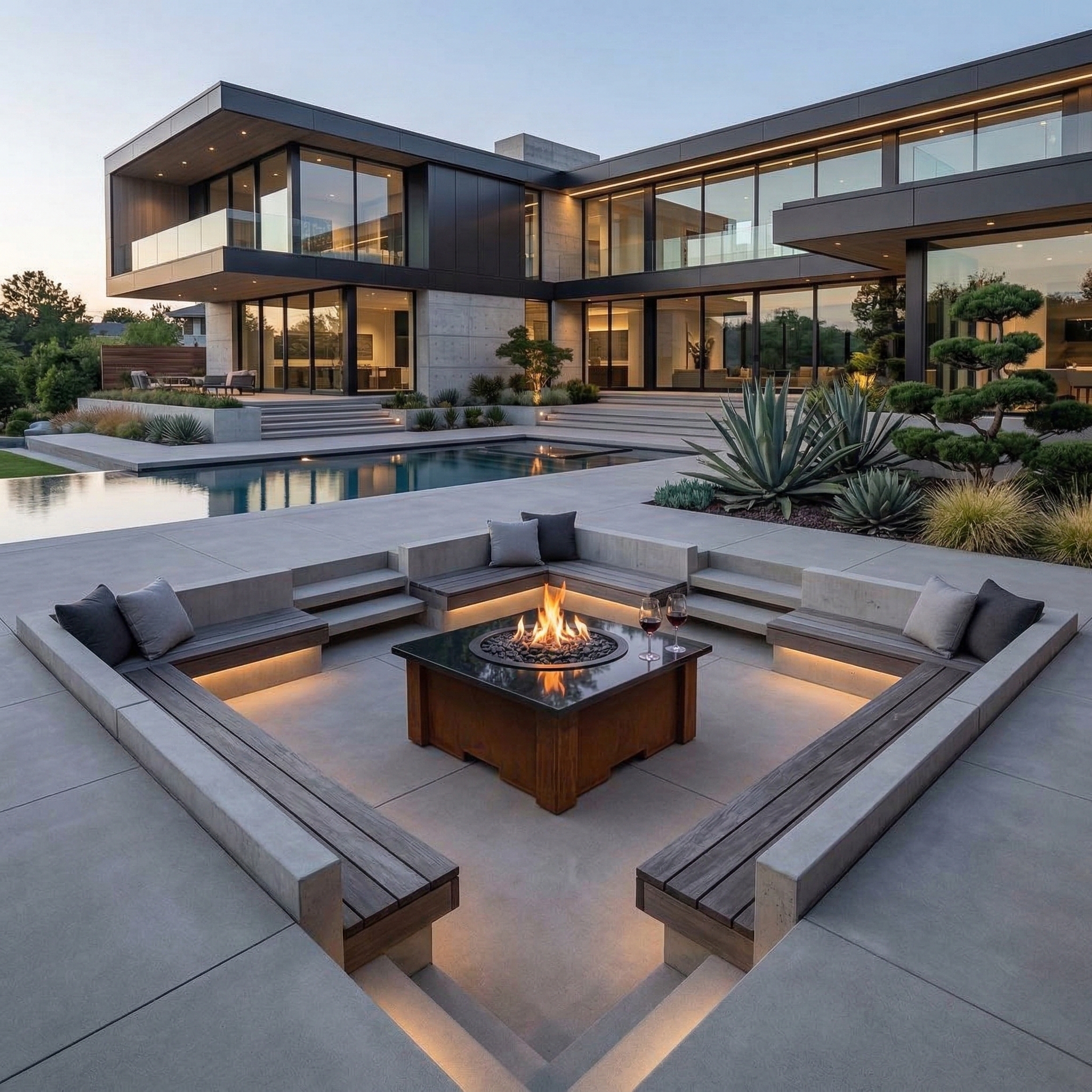
Black Polished Granite - sleek contemporary finish
Configurations:
Round
Square
Mix any base style with either tabletop option in round or square configuration. This provides flexibility without custom fabrication costs or extended lead times.
Key insight: The modular approach delivers customization benefits without the premium price tag of fully custom work.
Wood-Burning or Natural Gas: Which Fuel Type Works?
Both fuel types work with GFRC fire pits.
For wood-burning applications, GFRC withstands direct flame contact and ember heat. The material is incombustible and maintains structural integrity at temperatures that crack traditional concrete.
For natural gas installations, Homebridge provides the necessary openings and connections. Gas fire pits producing 40,000-60,000 BTUs deliver genuine warmth while eliminating smoke and ash cleanup.
The choice depends on priorities. Wood creates ambiance and crackling sounds. Gas offers instant on-off control and zero maintenance.
Decision factor: Wood-burning suits atmospheric gatherings. Natural gas fits convenience-focused homeowners.
How Does GFRC Compare to Other Fire Pit Materials?
GFRC vs. Steel Fire Pits
Steel rusts. Even powder-coated or weathering steel shows deterioration within 3-5 years in most climates. GFRC doesn't corrode. The material looks identical after 10 years compared to installation day.
GFRC vs. Traditional Concrete
Standard concrete cracks from thermal stress and freeze-thaw cycles. The glass fibers in GFRC distribute stress across the entire structure, preventing crack propagation.
GFRC vs. Natural Stone
Real stone fire pits require skilled masons and extensive labor. A custom stone fire pit installation takes 5+ days and costs $8,000-$15,000. GFRC replicates the stone aesthetic at a fraction of the cost and installs in hours.
GFRC vs. Brick
Laid-up brick requires foundation work, skilled labor, and mortar joints that crack over time. GFRC arrives as a complete unit. Two people install it in an afternoon.
Comparison summary: GFRC delivers superior durability compared to steel, better crack resistance than concrete, faster installation than stone, and simpler setup than brick masonry.
How Long Does Installation Take?
Traditional masonry fire pits demand:
Excavation and foundation preparation
Skilled mason plus helper (2-3 days minimum)
Concrete mixer and materials
Curing time before use
GFRC fire pits from Homebridge need:
Level base (gravel or paver base)
Two people for placement
2-3 hours total installation time
This matters for contractors managing labor costs and homeowners wanting results fast. Prefabricated amenities eliminate the variability and risk of field construction.
Time savings: GFRC reduces installation from days to hours, cutting labor costs by 80% or more.
What Are Current Fire Pit Market Trends?
The North America fire pits market reached $3.09 billion in 2024 and grows at 5.6% annually. Nearly 67% of homeowners plan outdoor upgrades. Over 61% of households now invest in backyard comfort features.
Homeowners want outdoor living spaces that work year-round. Fire pits extend usable outdoor time into spring and fall. The investment makes sense when products last 30-50+ years.
Design trends favor geometric shapes and multi-functional pieces. Linear and hexagonal fire pits dominate luxury installations. Tabletop configurations that double as gathering surfaces show 10.2% annual growth.
GFRC delivers these design options without the traditional masonry price tag.
Market insight: Growing demand for year-round outdoor living spaces drives fire pit adoption, with durability becoming a key purchase factor.
What Does Three Years of Testing Reveal?
Every ASTM test relevant to outdoor concrete products has been run on GFRC fire pits. The material passes freeze-thaw resistance testing, compressive strength testing, and flexural strength testing with margins exceeding requirements.
Lab tests tell part of the story. Real-world exposure reveals what matters.
GFRC fire pits survive:
Michigan winters with temperatures below -20°F
Direct UV exposure through summer
Thermal cycling from fire heat to ambient cold
Rain, snow, ice, and humidity variations
The material shows no degradation. No surface spalling. No structural cracks. No color fade.
This performance comes from the glass fiber reinforcement and thin-shell construction method. GFRC uses less concrete per square foot than traditional methods while achieving higher strength. The material is 75% lighter than standard concrete, reducing foundation requirements and shipping costs.
Testing takeaway: Three years of field testing in Michigan winters validates GFRC performance beyond laboratory conditions, with zero degradation observed.
What Do GFRC Fire Pits Cost?
A custom stone fire pit costs $10,000-$15,000 installed. A GFRC fire pit from Homebridge costs a fraction of that amount and installs in one afternoon.
For landscape contractors, this changes project economics. Premium aesthetics become accessible to clients who couldn't afford traditional masonry. Labor savings alone justify the approach.
For property managers, lifecycle cost matters more than initial price. A GFRC fire pit requires zero maintenance over 30+ years. No repointing mortar joints. No rust treatment. No replacement.
For DIY homeowners, installation simplicity opens possibilities. No need to hire a mason or rent equipment. A level base and a helper are all you need.
Cost reality: GFRC delivers premium aesthetics at 30-50% of traditional masonry costs, with installation labor reduced by 80%.
How Do You Choose the Right Configuration?
Start with space and aesthetic preferences.
Round configurations work well for circular seating arrangements and traditional gathering spaces. The shape encourages conversation and equal access to warmth.
Square configurations fit better in geometric landscape designs and modern architectural settings. They align with paver patterns and rectangular patios.
For base styles, consider your existing landscape materials. Brick Yard Court complements traditional homes. Steel fits contemporary designs. Limestone and Stackstone work across multiple architectural styles.
The tabletop choice affects functionality. Limestone provides a warm, natural surface that stays cooler to touch. Black Polished Granite delivers a sleek look and easy cleaning.
For fuel type, think about priorities. Wood-burning creates atmosphere and works anywhere. Natural gas requires a gas line but eliminates cleanup and provides instant control.
Selection guide: Match configuration to your space geometry, base style to existing landscape materials, and fuel type to your maintenance preferences.
What Should You Know Before Purchasing?
GFRC is not fiberglass. This distinction matters because fiberglass products degrade under UV exposure and heat. GFRC is concrete reinforced with glass fibers. The material is incombustible and UV-stable.
Installation requires a level, stable base. Gravel base, paver base, or concrete pad all work. The base prevents settling and ensures proper drainage.
For natural gas installations, a licensed gas fitter must make the connection. The fire pit arrives ready for connection, but local codes require professional gas work.
Customization is available. Homebridge creates custom colors, textures, and sizes. The molds come from real stone and brick, so texture authenticity holds up to close inspection.
Purchase preparation: Verify base requirements, understand GFRC versus fiberglass differences, and plan for professional gas connection if choosing natural gas fuel.
Why Does This Matter for the Landscape Industry?
Prefabrication changes what's possible in landscape construction. Traditional masonry requires skilled labor that's increasingly scarce and expensive. GFRC products democratize access to premium aesthetics.
This isn't about replacing skilled masons for custom work. It's about expanding the market to include homeowners who couldn't afford traditional masonry.
The technology exists. Testing validates performance. Market demand is clear. What's needed now is education about what GFRC is and how it performs.
Homebridge Precast brings this technology from commercial building applications into residential landscapes. The material works. The economics work. The aesthetics work.
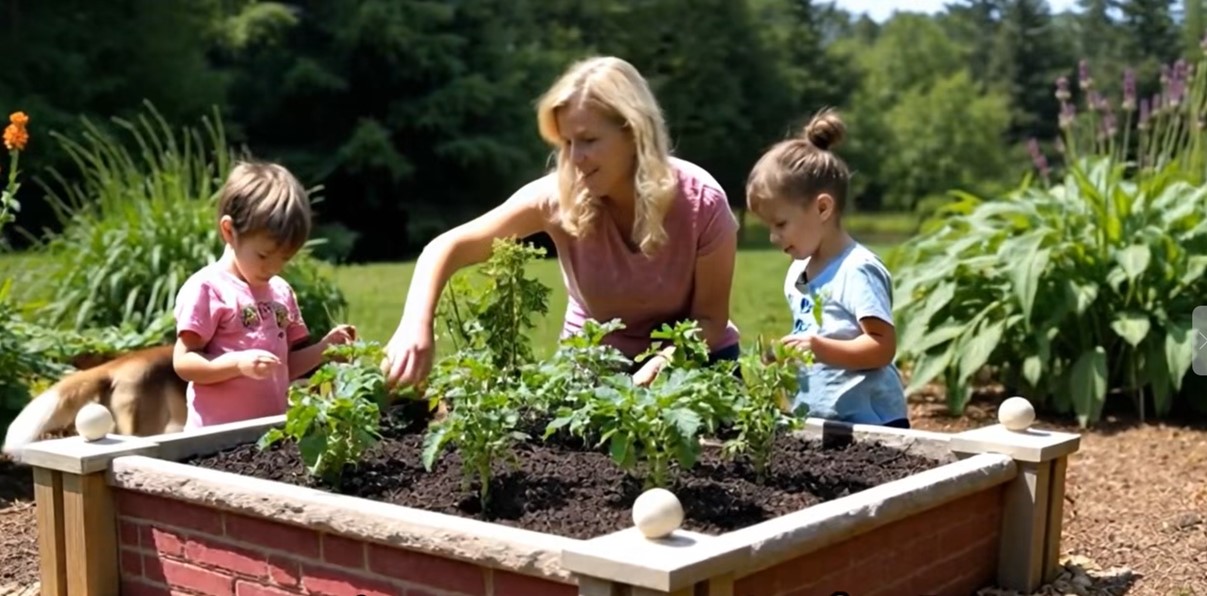
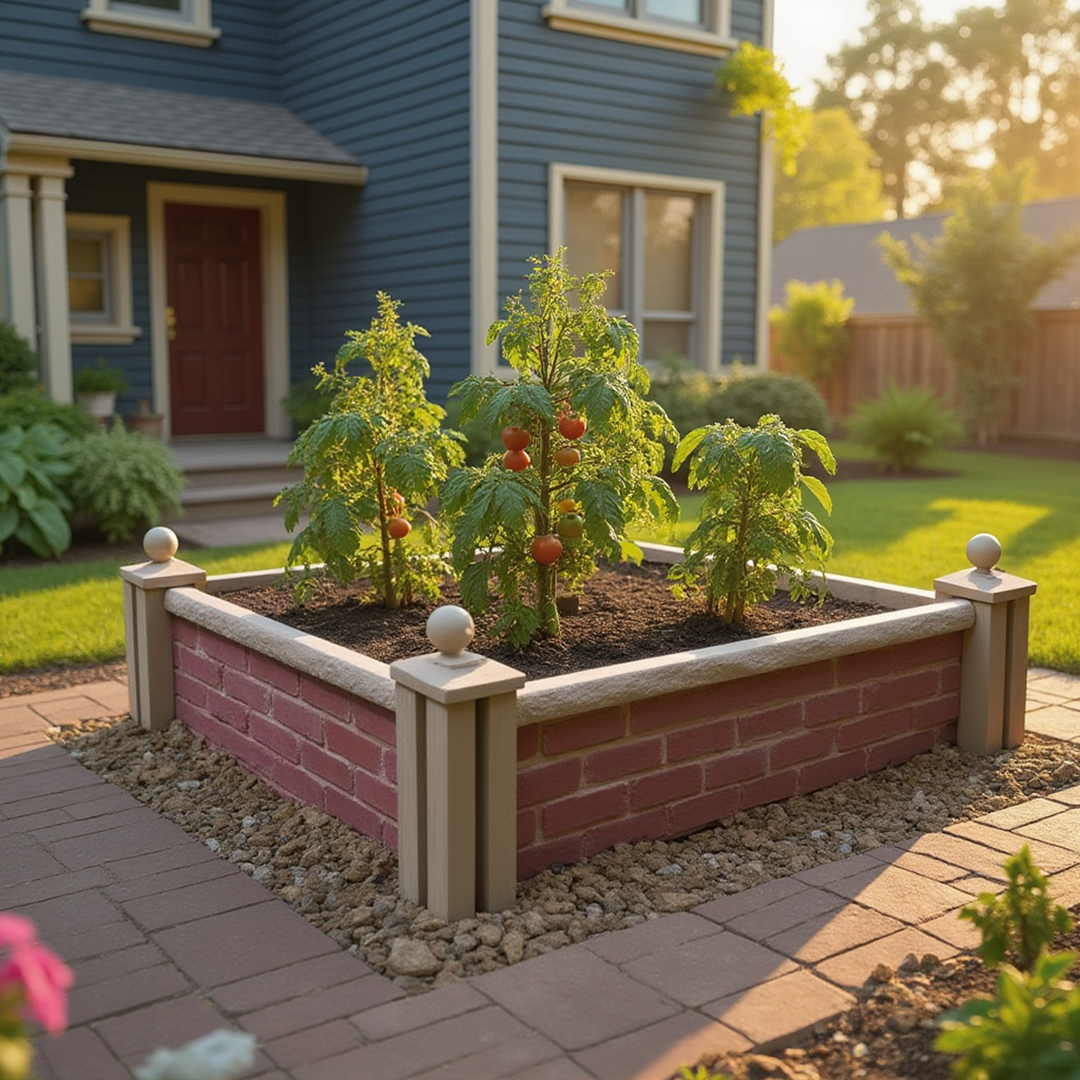
Fire pits represent one application of GFRC in outdoor living spaces. The same material properties that make it ideal for fire pits apply to raised gardens, culvert walls, and other landscape elements.
The common thread is durability, beauty, and installation efficiency. These three factors matter to everyone in the landscape industry, from DIY homeowners to professional contractors to property managers.
Frequently Asked Questions
How long do GFRC fire pits last?
GFRC fire pits last 50+ years with zero maintenance. The material is immune to freeze-thaw cycles, doesn't corrode, and maintains structural integrity under thermal stress. Three years of field testing show no degradation.
Does GFRC crack like regular concrete?
No. Glass fibers in GFRC prevent crack propagation. The material delivers 12,500 psi compressive strength and 2,000+ psi flexural strength. Regular concrete cracks from thermal stress and freeze-thaw cycles. GFRC distributes stress across the structure.
How much does a GFRC fire pit cost compared to stone?
Custom stone fire pits cost $10,000-$15,000 installed. GFRC fire pits from Homebridge cost 30-50% less and install in hours instead of days. Labor savings alone justify the approach for contractors and homeowners.
Is GFRC the same as fiberglass?
No. GFRC is concrete reinforced with glass fibers. Fiberglass products degrade under UV exposure and heat. GFRC is incombustible, UV-stable, and maintains performance in extreme conditions.
What base preparation do GFRC fire pits need?
GFRC fire pits need a level, stable base. Gravel base, paver base, or concrete pad all work. The base prevents settling and ensures proper drainage. No foundation excavation or concrete work required.
Do GFRC fire pits work with both wood and gas?
Yes. GFRC fire pits accommodate wood-burning and natural gas fuel types. For natural gas, a licensed gas fitter must make the connection per local codes. The structure handles both fuel types without modification.
How heavy are GFRC fire pits?
GFRC is 75% lighter than standard concrete while delivering higher strength. Two people handle placement and installation. The reduced weight lowers shipping costs and eliminates heavy equipment requirements.
What maintenance do GFRC fire pits require?
Zero maintenance over 30+ years. No repointing mortar joints. No rust treatment. No replacement. The material doesn't degrade, corrode, or require protective coatings.
Key Takeaways
GFRC delivers four times the strength of regular concrete with 12,500 psi compressive strength, surviving 100+ freeze-thaw cycles without damage
Installation takes 2-3 hours with two people compared to 5+ days for traditional masonry, reducing labor costs by 80%
Homebridge offers four base styles, two tabletop options, round or square configurations, and both wood-burning and natural gas fuel compatibility
GFRC fire pits cost 30-50% less than custom stone installations at $10,000-$15,000 while delivering 50+ year lifespans
The material requires zero maintenance over decades, with no rust, corrosion, or structural degradation observed in three years of Michigan winter testing
GFRC is concrete reinforced with glass fibers, not fiberglass, making it incombustible and UV-stable for outdoor fire pit applications
Prefabrication expands market access to premium fire pit aesthetics for homeowners and contractors who couldn't afford traditional masonry