Why Low Maintenance Landscaping Is the Biggest Lie Homeowners Believe
TL;DR: The landscaping industry's low maintenance promise is broken. Wood rots in 5-7 years, stone shifts, traditional concrete cracks. Real low maintenance requires materials that outlast your mortgage, prefabricated installation, and immunity to freeze-thaw cycles. GFRC technology delivers 50+ year durability at a fraction of the lifetime cost.
Core Answer:
Traditional low maintenance landscaping fails within 5-10 years due to material degradation
Labor costs represent 80% of project expenses and skilled workers are increasingly scarce
GFRC products deliver 12,500 psi compressive strength and resist freeze-thaw damage
Prefabricated systems install in one-eighth the time of traditional methods
Total cost of ownership beats cheap alternatives by 60% over product lifetime
I need to be direct.
That low maintenance landscape your contractor installed three years ago? The one promised to take care of itself?
Every weekend you spend weeding raised beds tells the real story. Every spring you replace rotted timbers. Every fall you scrape moss off stone walls.
The promise was a lie.
What the Numbers Really Show
After years in landscape architecture and construction, I've seen the pattern. The landscaping industry generated $150.4 billion in 2023. A big chunk comes from homeowners who believed the set it and forget it promise.
The truth costs more.
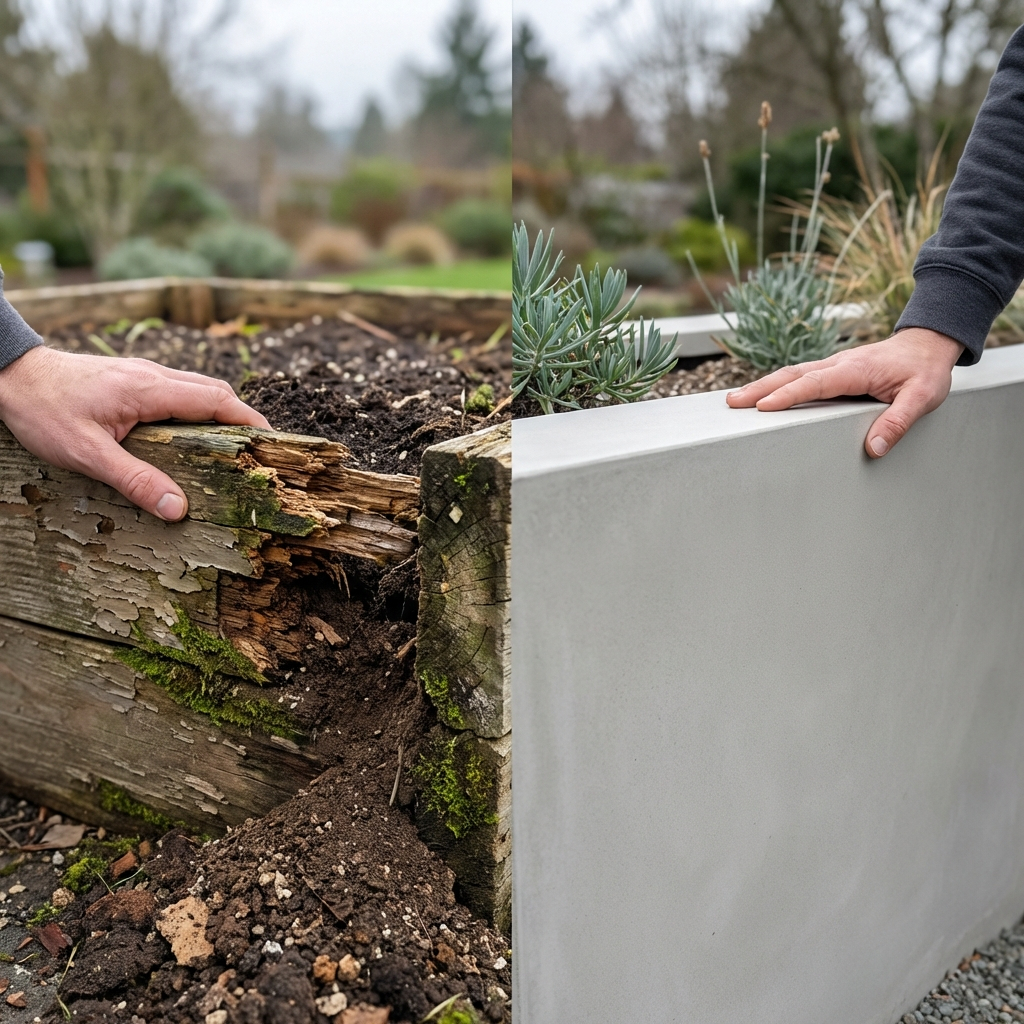
Wood raised beds rot in 5-7 years. Stone walls settle and shift. Traditional concrete cracks during freeze-thaw cycles. Your maintenance-free landscape becomes a recurring expense nobody warned you about.
Contractors aren't being malicious. The industry normalized a definition of low maintenance meaning less maintenance than a full perennial garden.
That's a low bar.
The Bottom Line: Industry definitions of low maintenance ignore material failure rates and replacement costs.
Why Materials Beat Design Every Time
You hire the best landscape designer in Ann Arbor. You follow Pinterest boards about drought-tolerant plants and permeable hardscaping.
None of this matters if your structural elements degrade.
I've watched homeowners invest $15,000 in raised garden beds made from cedar or composite lumber. Within seven years, they're shopping for replacements. Material durability determines your maintenance burden far more than plant selection.
Plants are easy. You replace a hosta in 20 minutes.
Replacing an entire retaining wall system? That's where real costs hide.
This is why Homebridge Precast developed products using GFRC technology. Glass fiber reinforced concrete achieves flexural strength improvements up to 300% compared to unreinforced concrete while maintaining dimensional stability in freeze-thaw cycles.
Key Insight: Material selection determines whether your landscape becomes an asset or a maintenance burden.
How the Labor Crisis Affects Your Landscape
Most homeowners don't realize this fact: 54% of landscape contractors identify recruiting and retaining staff as a top business risk for 2026.
What does this mean for you?
When your raised beds need replacement, finding someone to do the work gets harder and more expensive each year. Labor represents 80% of landscaping project costs. Contractors are raising wages 4% or more to keep crews.
The low maintenance promise assumes you'll find help when things need repair.
That assumption is breaking.
Property managers call us desperate because maintenance crews are stretched thin. The simple task of replacing rotted landscape timbers became a scheduling nightmare. What took days now takes weeks.
The Reality: Labor scarcity transforms minor repairs into major scheduling challenges.
What Low Maintenance Actually Requires
Real low maintenance landscaping requires three elements:
1. Materials That Outlast Your Mortgage
If landscape structures need replacement before your 30-year loan is paid off, they weren't low maintenance. They were deferred maintenance.
2. Installation That Eliminates Recurring Labor
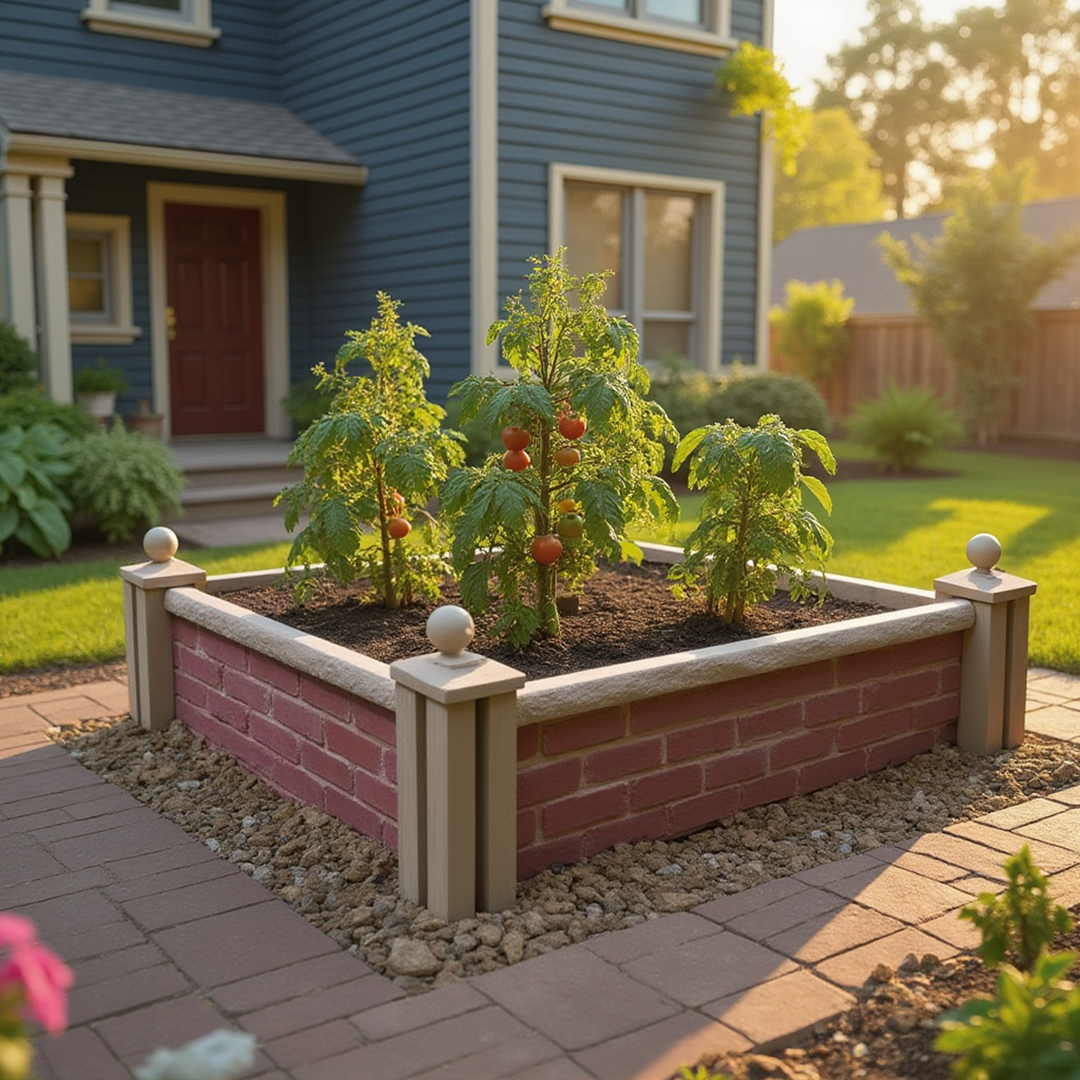
Prefabricated systems install in hours instead of days. This reduces dependency on scarce skilled labor. When Homebridge Precast culvert walls and raised gardens install in one-eighth the time of traditional methods, that's engineering, not marketing. That's the difference between a weekend DIY project and hiring a crew for days.
3. Immunity to Elements That Destroy Everything Else
Freeze-thaw cycles. UV degradation. Moisture rot. Rust. These are the silent killers of landscape investments. Materials that resist all of them don't reduce maintenance. They eliminate entire categories of failure.
Homebridge Precast GFRC products achieve compressive strengths of 12,500 psi and flexural strength over 2,000 psi. That's four times stronger than regular concrete. The material doesn't crack when water freezes inside.
Water never penetrates to begin with.
Core Principle: True low maintenance means eliminating failure points, not managing them.
The Real Cost of Cheap Materials
I understand the appeal of budget-friendly landscape materials.
But here's what I've observed: homeowners who handle major landscaping projects often run into defects. These defects double the cost of backyard construction. Initial savings disappear when you factor in repairs, replacements, and the opportunity cost of your time.
A $500 raised bed made from pine or composite lumber looks like a bargain compared to a $1,200 GFRC system.
Until you replace it twice.
Then you've spent $1,500 on materials alone. Add contractor fees for three separate installations instead of one. You've also dealt with the frustration of failed products three times.
The math shifts when you calculate cost per year of service life.
The Calculation: Premium materials cost less over time when measured by total ownership cost.
Why Prefabrication Solves the Labor Problem
The landscaping industry has a secret: labor variability is the bane of all contractors.
Weather delays. Crew availability. Skill inconsistency. Material delivery problems. Every traditional landscape installation involves dozens of variables that derail timelines and budgets.
Prefabricated systems eliminate most variables.
When landscape elements arrive fully finished, predrilled, with standardized hardware, installation becomes predictable. You need fewer workers, fewer hours, fewer mistakes.
For DIY homeowners, this means projects you complete in a weekend instead of abandoning halfway. For contractors, this means bidding jobs with confidence instead of padding estimates to cover labor uncertainty.
Homebridge Precast has tested products for over three years to ensure they perform exactly as promised. No surprises. No callbacks. No excuses.
The Advantage: Prefabrication transforms unpredictable installations into predictable outcomes.
The Sustainability Question Nobody Asks
Here's an uncomfortable truth about sustainable landscaping: if your materials need replacement every 5-10 years, you're not being sustainable.
You're creating a recurring waste stream.
GFRC uses less cement than equivalent concrete and often incorporates recycled materials. But the real sustainability advantage comes from longevity. A raised garden bed lasting 50+ years has a dramatically lower environmental impact than one you replace five times over the same period.
The most sustainable landscape material is the one you never throw away.
Sustainability Truth: Longevity beats recyclability when measuring environmental impact.
What I Wish Someone Had Told Me
When I started in this industry, I believed good design was enough. Select the right plants, create proper drainage, follow best practices. You'd have a landscape requiring minimal intervention.
I was wrong.
Design matters. Plant selection matters. Drainage matters.
But material selection determines whether your landscape becomes an asset or a liability.
I've watched homeowners invest in beautiful designs built with mediocre materials. They spend years fighting slow decay. The frustration in their voices when they call about replacement options tells me everything about the gap between promise and reality.
Hard Lesson: Materials determine long-term outcomes more than design or installation quality.
What Low Maintenance Really Means
Low maintenance doesn't mean less work than before.
Low maintenance means installing something once and forgetting about it for decades.
Materials don't rot, rust, crack, or require replacement within your lifetime. Systems install so efficiently you're not dependent on finding scarce skilled labor. Structural elements stay beautiful and functional through Michigan winters and summer heat without intervention.
That's the standard Homebridge Precast built around.
I got tired of seeing homeowners sold a lie, then blamed when materials failed to deliver.
What You Should Do About This
If you're planning a landscape project, ask different questions.
Don't ask if something is low maintenance. Ask how long the materials last. Ask what happens when they fail. Ask how much replacement costs in both money and time.
Get specific numbers. If a contractor won't tell you the expected service life of their materials, that's your answer.
Look for products with testing data. ASTM standards exist for concrete durability, freeze-thaw resistance, and structural performance. If manufacturers won't reference specific test results, they're asking you to trust marketing over engineering.
Calculate total cost of ownership, not initial price. A material costing twice as much but lasting five times longer is 60% cheaper over its lifetime.
The math is simple once you stop believing the lie.
Frequently Asked Questions
What does GFRC stand for and why does it matter?
GFRC stands for glass fiber reinforced concrete. This advanced material achieves 12,500 psi compressive strength (four times stronger than regular concrete) and over 2,000 psi flexural strength. GFRC resists freeze-thaw damage, UV degradation, and moisture penetration destroying traditional landscape materials.
How long do GFRC landscape products last compared to wood or composite?
Wood raised beds typically rot in 5-7 years. Composite materials last 10-15 years. GFRC products from Homebridge Precast are engineered to last 50+ years with zero maintenance. The material has been tested for over three years to ensure performance.
Why is prefabrication better than traditional installation methods?
Prefabricated landscape elements install in one-eighth the time of traditional methods. This reduces labor costs (which represent 80% of project expenses) and eliminates variables like weather delays, crew availability, and skill inconsistency. For DIYers, prefab means completing weekend projects instead of abandoning them.
How do I calculate the total cost of ownership for landscape materials?
Divide the initial cost by the expected service life to get cost per year. A $500 wood bed lasting 7 years costs $71 per year. If you replace it twice (14 years total), you spend $1,500 plus installation labor. A $1,200 GFRC bed lasting 50+ years costs $24 per year with one installation.
What maintenance do GFRC products require?
None. GFRC doesn't rot, rust, crack from freeze-thaw cycles, or degrade from UV exposure. The material requires no sealing, painting, or treatment. Install once and forget about structural maintenance for decades.
Why is the labor shortage affecting landscape project costs?
54% of landscape contractors identify recruiting and retaining staff as a top business risk. This drives up wages (4%+ increases) and makes scheduling work difficult. Projects requiring multiple days of skilled labor become more expensive and harder to schedule each year.
What questions should I ask landscape contractors about materials?
Ask for expected service life with specific numbers. Request ASTM test results for durability, freeze-thaw resistance, and structural performance. Inquire about what happens when materials fail and replacement costs. Calculate total ownership cost, not just initial price.
Are GFRC products environmentally sustainable?
Yes. GFRC uses less cement than equivalent concrete and often incorporates recycled materials. The primary sustainability advantage is longevity. A raised bed lasting 50+ years has dramatically lower environmental impact than one you replace five times, eliminating recurring waste streams.
Key Takeaways
Industry definitions of low maintenance ignore material failure and replacement costs over time
Material durability determines maintenance burden more than design or plant selection
GFRC technology delivers 12,500 psi compressive strength and immunity to freeze-thaw damage
Prefabricated installation reduces labor dependency and completes in one-eighth the time
Total cost of ownership for premium materials is 60% lower than cheap alternatives over lifetime
Labor shortages (54% of contractors cite staffing as top risk) make repairs increasingly expensive
Calculate cost per year of service life instead of focusing on initial price
I started Homebridge Precast because homeowners, property managers, and landscape contractors all struggled with the same problem: beautiful designs built with materials failing to deliver.
The solution isn't better maintenance schedules or more careful installation.
The solution is materials not needing maintenance in the first place.
GFRC technology provides that option. Prefabrication provides installation efficiency. Rigorous testing provides confidence.
What you do with this information is up to you.
At least now you know what questions to ask when someone promises low maintenance landscaping.
You'll know what the real answer should sound like.