Your Curb Appeal Has an Expiration Date (Unless You Stop Buying Temporary Solutions)
TL;DR: Temporary landscape materials (wood, mulch, basic pavers) cost homeowners $1,200 to $3,600 yearly in maintenance and need replacement every 5 to 7 years. Durable GFRC hardscaping costs more upfront but lasts 50+ years with zero maintenance, delivers up to 217% ROI, and adds 7% to 11% to home value. The math is simple: solve your curb appeal problem once or keep solving it forever.
Quick Facts
Homes with strong curb appeal sell for 7% to 11% more than comparable properties
70% of homeowners who renovated in the past 5 years went over budget
42% regret the higher-than-expected maintenance costs of their choices
Quality hardscaping delivers up to 217% ROI versus 100% for basic maintenance
GFRC products install in one-eighth the time of traditional methods and last 50+ years
I've spent over two decades in construction and landscape architecture. Most homeowners learn this too late.
The mulch you spread every spring? Decomposing faster than your property value rises.
Those decorative pavers you installed last summer? They're already shifting. By next winter, you'll be re-leveling them.
The pressure-treated wood retaining wall holding back your garden bed? Give it five years before you're replacing rotted boards.
Temporary curb appeal fixes cost you more than money. They cost you time, energy, and the premium your home would command if you stopped treating your landscape like a rental property.
What Does Curb Appeal Cost You Every Year?
Homes with strong curb appeal sell for an average of 7% more than comparable homes in the same neighborhood. During slower markets, the premium jumps to 10% to 11%.
The part that stings?
Most homeowners spend $1,200 to $3,600 annually maintaining their existing landscape. $100 to $300 every month to keep things from looking worse. Not better. Not worse.
This number excludes repairs when temporary solutions fail.
I watched a neighbor spend $4,500 on a new paver patio three years ago. Last month, he paid another $1,200 to have it releveled because the base settled unevenly. Next year, he'll probably need to replace cracked pavers where water pooled and froze.
That's $5,700 for something that still isn't permanent.
Nearly 60% of homeowners are putting off repairs they can't afford. 82% admit at least one area of their home needs maintenance right now.
You can't maintain your way out of buying the wrong materials.
Bottom line: Annual maintenance costs pile up faster than property value gains when you choose temporary materials.
Why Do 58% of Homeowners Regret Their Renovations?
Among homeowners who renovated in the past five years, 70% went over budget. 58% have at least one regret.
The top regrets:
Spending too much money (22%)
The project taking too long (16%)
Costlier-than-expected maintenance (42%)
The last one kills budgets.
You thought you were solving a problem. Instead, you created a maintenance subscription you didn't sign up for.
I see this pattern constantly at Homebridge Precast. Property owners come to us after they've already tried the "affordable" solution. They've replaced wood garden beds twice. They've re-stained their deck three times. They've added fresh mulch for eight consecutive springs.
Then they calculate what they've spent.
The "affordable" option wasn't affordable. It was the first payment in an endless installment plan.
What this means for you: Low upfront cost often signals high lifetime cost. Calculate total ownership cost before buying materials.
What Do Buyers Want in 2026?
Nearly one in five home contracts falls through during inspection.
Buyers discover issues and walk away.
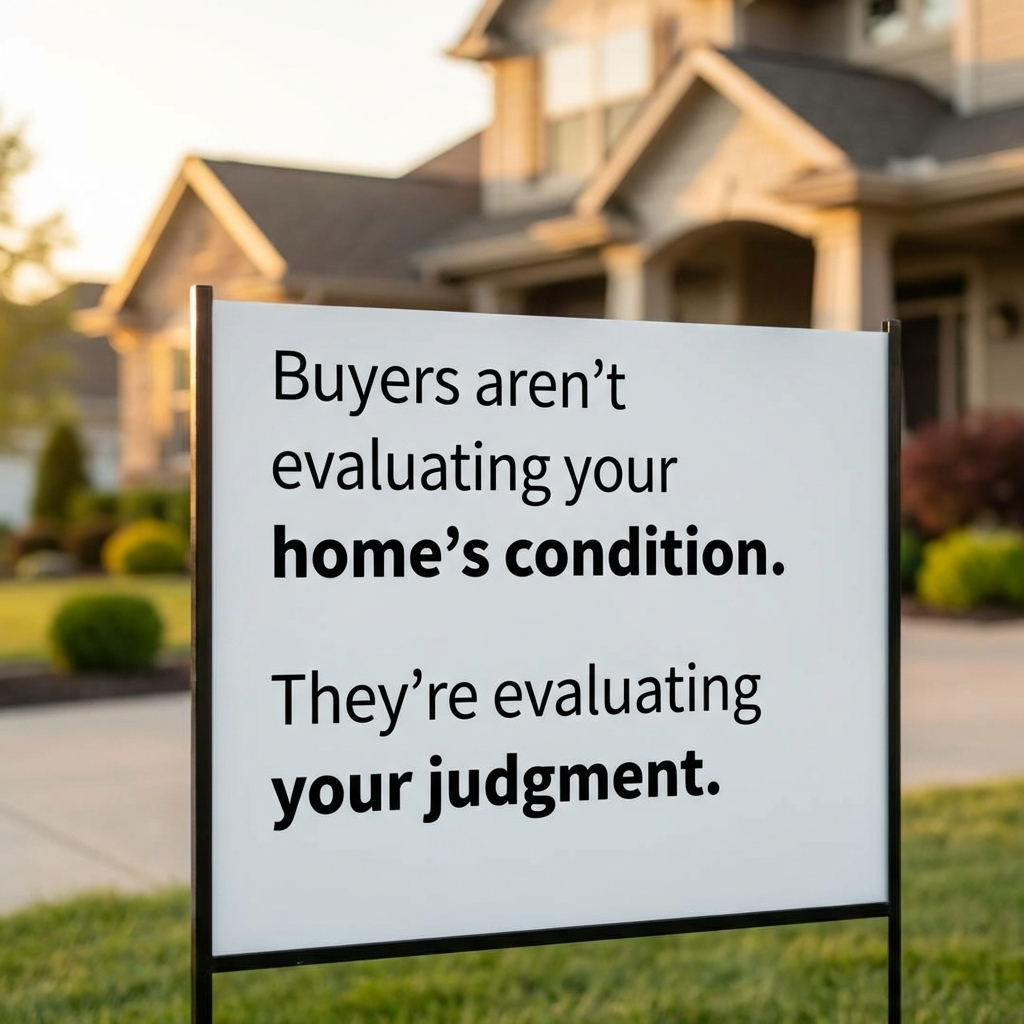
Most sellers miss this: buyers aren't evaluating your home's condition. They're evaluating your judgment.
When buyers see a neglected yard, peeling deck stain, or sagging retaining wall, they don't think "I'll fix this."
They think "What else hasn't been maintained?"
The HVAC? The foundation? The roof?
That first impression creates a psychological anchor. Buyers start looking for problems instead of possibilities.
In 2026, buyers want low-maintenance exteriors, landscaping designed for sustainability, and outdoor spaces that don't require weekend projects.
They're juggling work, family, and everything else. The last thing they need is a landscape that demands constant attention.
Show them a property looking maintained and requiring minimal ongoing work?
You've separated yourself from 90% of the market.
Buyer priority: Low-maintenance landscapes sell faster and command higher prices. They reduce perceived ownership risk.
How Does ROI Compare: Maintenance vs. Durable Materials?
Basic landscape maintenance yields about 100% ROI.
Spend $1,000 on mulch, trimming, and fresh plantings. Your home value increases by roughly $1,000.
Sounds fine until you're doing this every year.
Now look at hardscaping with sustainable, durable materials.
Quality hardscaping offers ROI up to 217%. Spend $5,000, add $7,500 to $10,000 in home value.
The real advantage isn't the initial return.
You're not spending another $5,000 in five years replacing what failed.
When we developed our GFRC products at Homebridge Precast, we tested them for over three years to eliminate this replacement cycle. Glass Fiber Reinforced Concrete is immune to freeze-thaw cycles, has four times the compressive strength of regular concrete (12,500 psi), and a flexural strength over 2,000 psi.
Translation: GFRC won't crack, rot, rust, or need replacement.
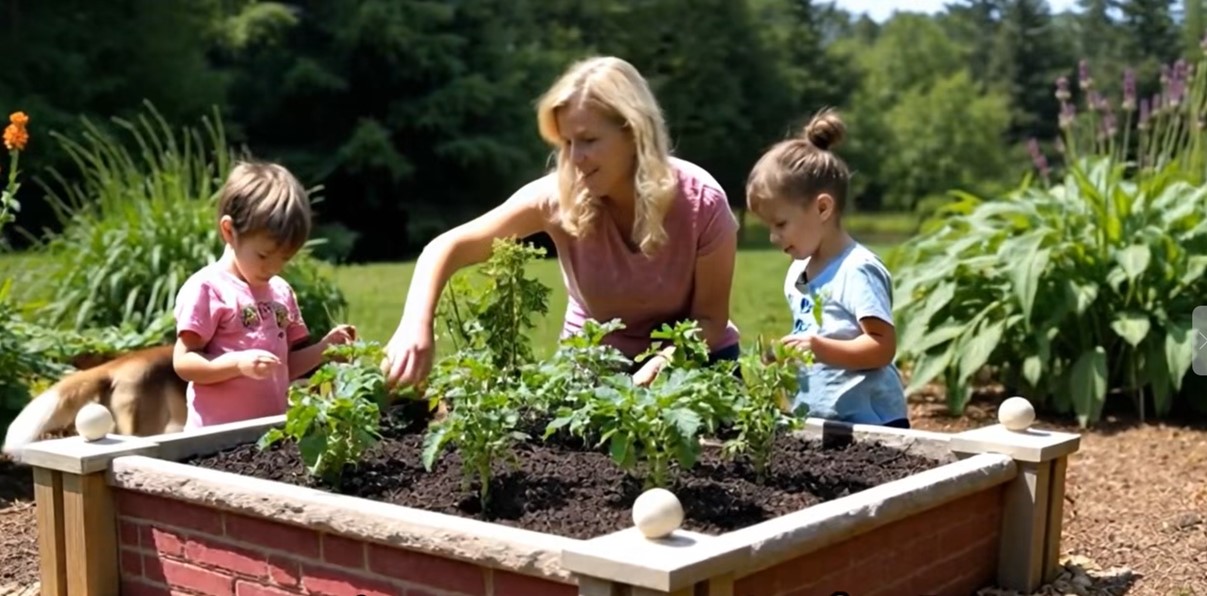
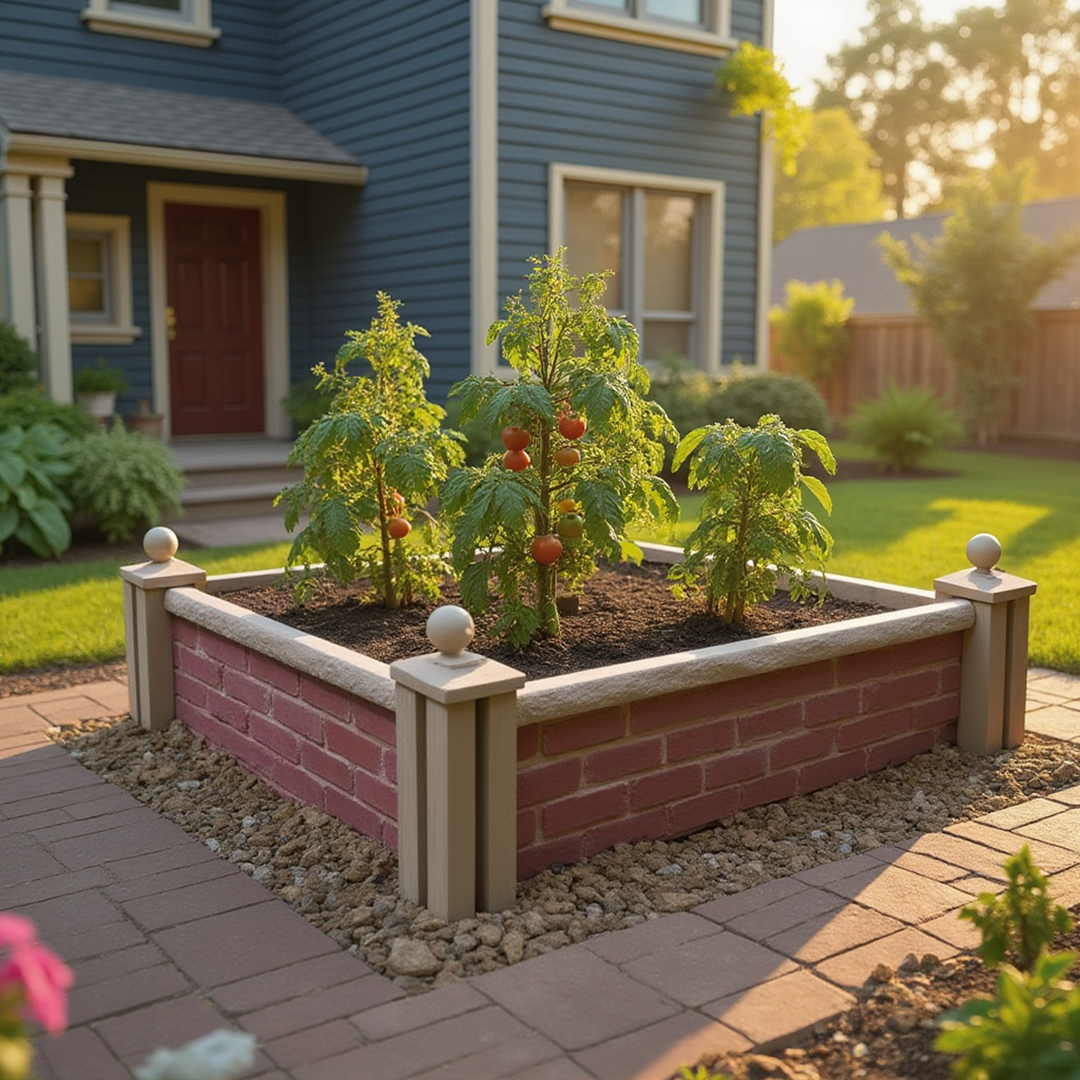
Our raised garden beds and culvert walls install in one-eighth the time of traditional methods and last 50+ years.
Install once. You're done.
ROI reality: Durable materials deliver 2x the return of basic maintenance. You eliminate recurring replacement costs for 50+ years.
Why Are Landscape Contractors Switching to Prefabricated Solutions?
Here's something homeowners don't see. Landscape contractors live with labor variability daily.
Labor variability destroys their margins.
A traditional stone retaining wall requires skilled masons working multiple days. Weather delays add costs. Material waste adds costs. Rework adds costs.
Every variable compounds.
Prefabricated solutions eliminate most of this variability. When installation time drops from days to hours, contractors predict their costs, schedule more jobs, and deliver consistent quality.
For homeowners, this means more competitive pricing and faster project completion.
For property managers overseeing multiple locations, this means predictable budgets instead of surprise overruns.
The landscape industry is shifting toward prefabricated, durable solutions because the alternative is unsustainable for everyone.
Industry shift: Prefabricated GFRC products reduce installation time by 87.5%. Contractors get predictable labor costs. Homeowners get faster, more affordable installations.
What's the Biggest Mistake Homeowners Make?
If I went back to when I first started in landscape architecture, I'd say this:
Stop designing projects based on initial cost. Design based on total lifecycle cost.
A $3,000 wood retaining wall needs replacement in seven years. Total cost: $3,000 plus replacement costs (probably $4,500 with inflation) plus the time and hassle of doing it twice.
A $4,500 GFRC solution lasts 50+ years. Total cost: $4,500. Period.
The "expensive" option is often the economical one.
You have to think past next spring.
Most homeowners see the immediate price difference and choose the lower number. Then they spend the next decade maintaining, repairing, and eventually replacing what they bought.
I get the appeal of temporary solutions. They feel actionable. Do something right now without a major investment.
Temporary solutions have expiration dates.
Your property value doesn't.
Lifecycle cost comparison: Wood retaining wall at $3,000 replaced twice over 14 years equals $7,500 or more. GFRC solution at $4,500 for 50+ years equals $4,500 total. The math is clear.
How Many Times Do You Want to Solve This Problem?
I ask property owners comparing options one question:
"How many times do you want to solve this problem?"
Because that's what you're choosing.
Solve it once with durable materials outlasting your ownership.
Or solve it repeatedly with temporary fixes looking fine for a season or two before deteriorating.
The curb appeal you create today either appreciates with your property or depreciates faster than you're maintaining it.
There's no middle ground.
After working through COVID, analyzing economic data for construction owners nationwide, and watching the landscape industry evolve, one pattern repeats:
People who invest in permanent solutions early spend less money and less time over the life of their property than people who keep buying temporary fixes.
Your curb appeal has an expiration date.
Unless you stop buying products with expiration dates.
Frequently Asked Questions About Curb Appeal and Durable Landscaping
How long do temporary landscape materials last before replacement?
Wood retaining walls last 5 to 7 years before rot requires replacement. Mulch decomposes within 12 to 18 months. Basic pavers shift and crack within 3 to 5 years due to settling and freeze-thaw cycles.
What is GFRC and why does it last longer than traditional materials?
GFRC (Glass Fiber Reinforced Concrete) is a composite material with four times the compressive strength of regular concrete (12,500 psi) and flexural strength over 2,000 psi. It's immune to freeze-thaw cycles, doesn't rot or rust, and has been tested for over three years to last 50+ years.
How much does curb appeal increase home value?
Homes with strong curb appeal sell for 7% more than comparable homes in normal markets. During slower markets, the premium increases to 10% to 11%. Quality hardscaping delivers up to 217% ROI versus 100% for basic maintenance.
Why do prefabricated landscape products cost less to install?
Prefabricated GFRC products install in one-eighth the time of traditional stone or masonry work. This reduces labor costs, eliminates weather delays, minimizes material waste, and gives contractors predictable pricing they pass on to homeowners.
What do buyers look for in low-maintenance landscaping?
Buyers in 2026 want exteriors designed for sustainability, outdoor spaces that don't require weekend maintenance projects, and materials that won't need replacement during their ownership. Properties with low-maintenance landscapes sell faster and command premium prices.
How do I calculate total lifecycle cost for landscape materials?
Add initial purchase price plus installation cost plus annual maintenance costs plus replacement costs over your ownership period. Example: $3,000 wood wall replaced twice over 14 years equals $7,500 or more versus $4,500 GFRC lasting 50+ years equals $4,500 total.
What causes most renovation regret among homeowners?
42% of homeowners regret costlier-than-expected maintenance after renovation. 70% went over budget, and 58% have at least one regret. The pattern: choosing low upfront cost creates high lifetime cost through maintenance and replacement.
Are patent-protected landscape solutions worth the investment?
Patent-protected GFRC solutions from Homebridge Precast combine superior durability (50+ years), minimal maintenance (zero rot, rust, or replacement), and faster installation (one-eighth the time). The upfront premium pays for itself through eliminated recurring costs.
Key Takeaways
Temporary landscape materials cost $1,200-$3,600 annually in maintenance and require replacement every 5-7 years, making them more expensive over time than durable alternatives.
Homes with strong curb appeal sell for 7-11% more, while quality hardscaping delivers up to 217% ROI compared to 100% for basic maintenance.
42% of homeowners regret the higher-than-expected maintenance costs of their renovation choices, often because they focused on initial price instead of lifecycle cost.
GFRC products last 50+ years, install in one-eighth the time of traditional methods, and eliminate recurring replacement costs, making them economical despite higher upfront cost.
Buyers in 2026 prioritize low-maintenance landscapes that don't require weekend projects, and properties with durable materials sell faster at premium prices.
Calculate total lifecycle cost before choosing materials: a $3,000 wood wall replaced twice costs $7,500+ versus a $4,500 GFRC solution lasting 50+ years.
The choice is simple: solve your curb appeal problem once with durable materials or keep solving it forever with temporary fixes.