Your Garden Bed Is Designed To Fail
During product testing, Anthony Bango's wife accidentally drove over a GFRC culvert wall. Then backed up and drove over it again.
The wall showed tire tracks. No cracks. No spalling. Not even a chip.
That's when he realized the entire garden bed industry has been selling people garbage.
The Industry Standard Is Failure
Wood garden beds warp in 3-5 years. The soil runs out through the gaps. The boards rot from constant moisture contact.
After five years, you replace them.
Metal beds rust. They warp from freeze-thaw cycles. In summer, they heat up enough to damage root systems.
After 5-10 years, you replace them too.
This isn't accidental. Planned obsolescence is now so recognized as harmful that Quebec passed Bill 29 in 2023 prohibiting the sale of products deliberately designed with shortened lifespans.
The garden bed industry just calls it normal.
The Math Everyone Ignores
A $200 cedar bed seems affordable. That's the hook.
But garden bed lifespan data shows even premium cedar only lasts 10-20 years under optimal conditions. Untreated pine? 2-4 years.
Over 20 years, you'll buy that "affordable" bed four times. That's $800 minimum, not counting installation labor each time.
Homebridge Precast ran lifecycle cost analysis on their GFRC raised gardens. Over 20 years, they cost one-third what wood beds cost.
One third.
The "expensive" option is actually the cheap one. The "affordable" option bleeds you dry over time.
Why The Industry Loves Products That Fail
Bango worked in construction and landscape architecture for years before founding Homebridge. He's certified through the Society of American Value Engineers.
He knows how the game works.
Designers copy-paste the same detail from job to job. It's easier than specifying something new. Contractors install what they've always installed.
And when that wood bed rots in five years? New revenue.
"Like a plumber waiting around until your water heater gives way," Bango says. "Planned obsolescence."
The market has become a race to the bottom. Everyone sells wood and metal beds. Pricing is cutthroat. Garden beds are commodities.
Except they don't have to be.
What Actually Lasts
Glass Fiber Reinforced Concrete isn't new. It's been used in commercial construction for decades.
What's new is applying it to residential garden beds.
Homebridge spent three years testing prototypes. They drove vehicles over panels. Spanned four-foot sections across bricks and had people jump on them. Subjected them to Michigan freeze-thaw cycles.
The results: 12,500 psi compressive strength. 2,500 psi flexural strength. Four times stronger than regular concrete.
GFRC durability comes from glass fiber reinforcement instead of steel. That means it can't rust. It's immune to freeze-thaw damage. It doesn't warp, rot, or degrade from UV exposure.
Estimated lifespan: 50+ years.
That's not marketing speak. That's material science.
The Sustainability Lie
Cedar beds get marketed as "natural" and "eco-friendly." The wood is beautiful. It smells good. It feels right.
Then you throw it in a landfill every five years.
Natural doesn't mean sustainable when you're creating a replacement cycle. Every homeowner who chooses wood generates waste repeatedly over decades.
GFRC beds never need replacement. Install once, done for life.
The environmental math isn't even close.
Value vs. Cost
Bango frames it as an equation: Value equals Quality/Performance divided by Cost.
The construction industry has trained people to see only the denominator. Lowest initial cost wins.
"It explains why modern architecture is ugly and needs constant operational expenditures," he says.
When contractors see GFRC garden beds, they react with genuine excitement. "Oh my god, that's a great idea. Those look fantastic. I'm going to use these things."
But the system perpetuates wood and metal. Habit. Familiarity. Replacement revenue.
Breaking through requires visible proof. Industry leaders using the product successfully. Property managers calculating true lifecycle costs. Landscape architects specifying durability instead of copying last year's detail.
What Changes The Game
GFRC beds install in one-eighth the time of traditional methods. That's not a minor improvement.
For contractors, labor variability is the biggest headache. Controlling labor costs determines profitability.
A product that installs faster, never needs replacement, and looks better than corrugated metal "feed troughs" changes the economic equation entirely.
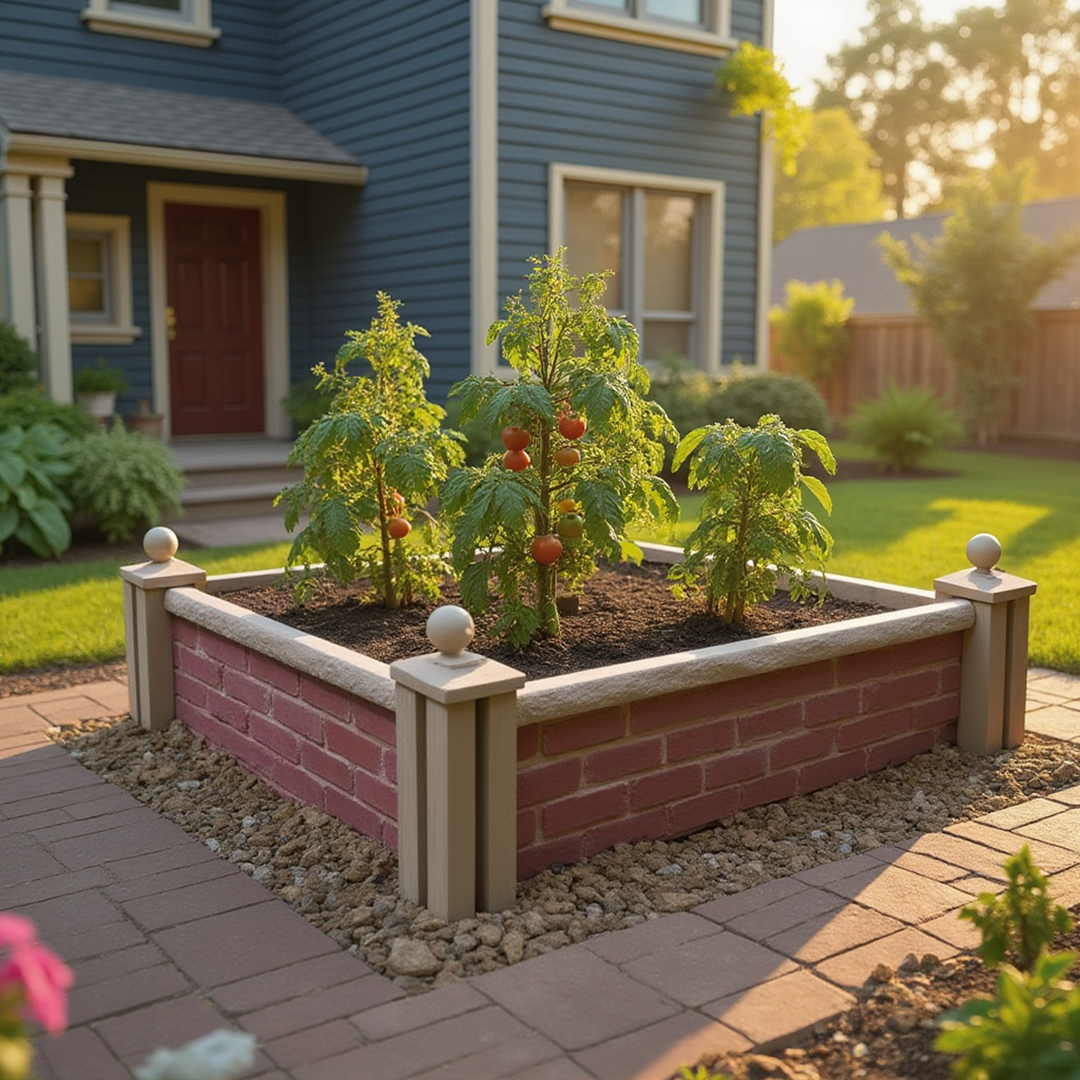
Venustus. Beautiful and permanent.
The question isn't whether GFRC is superior. The science proves it. The math proves it. Three years of testing proves it.
The question is when the industry stops accepting failure as normal.
When homeowners start calculating value instead of cost.
When landscape professionals recognize that products designed to last aren't threats to revenue streams, they're opportunities to build reputation on quality that endures.
Garden beds aren't commodities. They're investments in property value that compound over decades.
Or they're disposable products that generate waste and recurring expense.
Technology has yielded a new choice. Now you see it.