Your Landscape Is Fighting Itself (And You Don't Even Know It)
I've spent years watching landscapes fail.
The pattern is always the same. A homeowner invests thousands in beautiful pavers, then watches water pool around their foundation. A contractor installs a stunning patio, only to get called back six months later because the plants around it are dying. A designer creates an award-worthy hardscape plan, and the drainage destroys it within two seasons.
The problem isn't the hardscape. It's not the softscape either.
The problem is treating them as separate systems when they're actually one organism.
After three years of testing GFRC products in real-world conditions and working with landscape professionals across multiple climate zones, I've learned something the industry doesn't talk about enough: your hardscape and softscape are either working together or actively destroying each other. There's no middle ground.
The 40% Failure Rate Nobody Mentions
The American Society of Landscape Architects reports that drainage problems cause 40% of landscape failures.
Let that sink in.
Four out of ten landscapes fail because water goes where it shouldn't. Not because the designer lacked vision. Not because the contractor cut corners. Because the structural elements and living elements weren't designed as an integrated system.
I see this constantly. A homeowner builds a beautiful raised patio to create outdoor living space. The hardscape looks perfect. But nobody thought about where the water displaced by that patio would go. Six months later, the garden beds at the patio's edge are waterlogged. Plants rot. Roots die. The homeowner blames the plants.
The plants were never the problem.
Poor site grading creates standing water. Standing water kills plants and damages foundations. Too much hardscape increases runoff, which then floods the softscape elements. The cycle feeds itself.
You end up fighting your landscape instead of enjoying it.
When Structure Supports Life (Instead of Competing With It)
Here's what most people miss: hardscape isn't decoration. It's infrastructure.
Your patio isn't just a place to put furniture. Your retaining walls aren't just visual boundaries. Your drainage systems aren't just functional necessities you hide.
These elements determine whether your plants thrive or struggle.
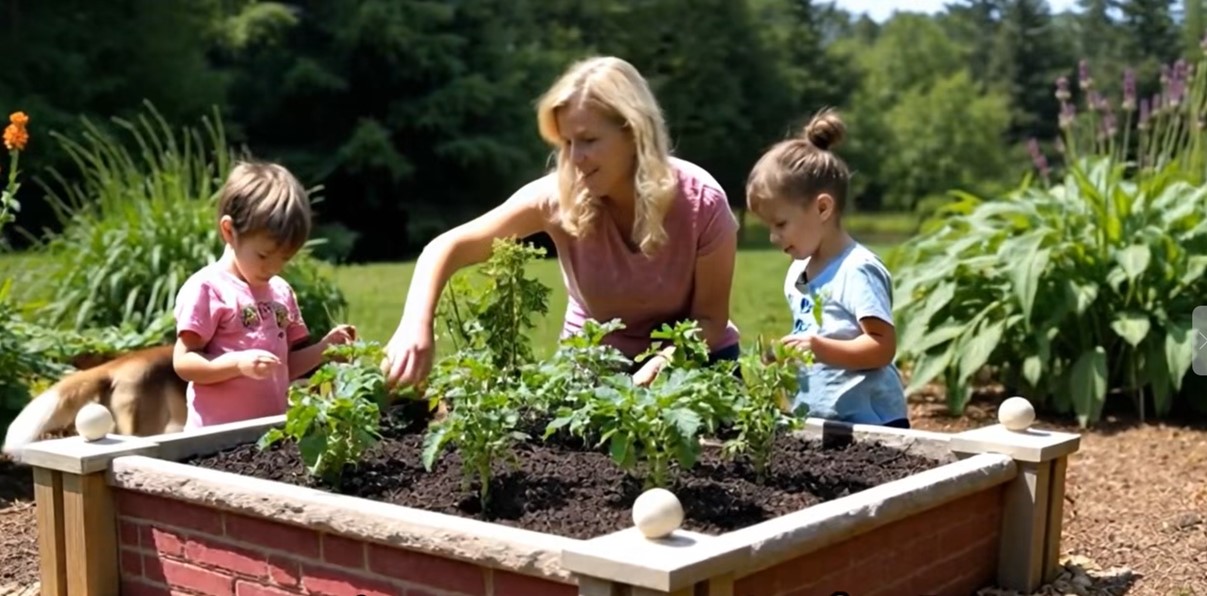
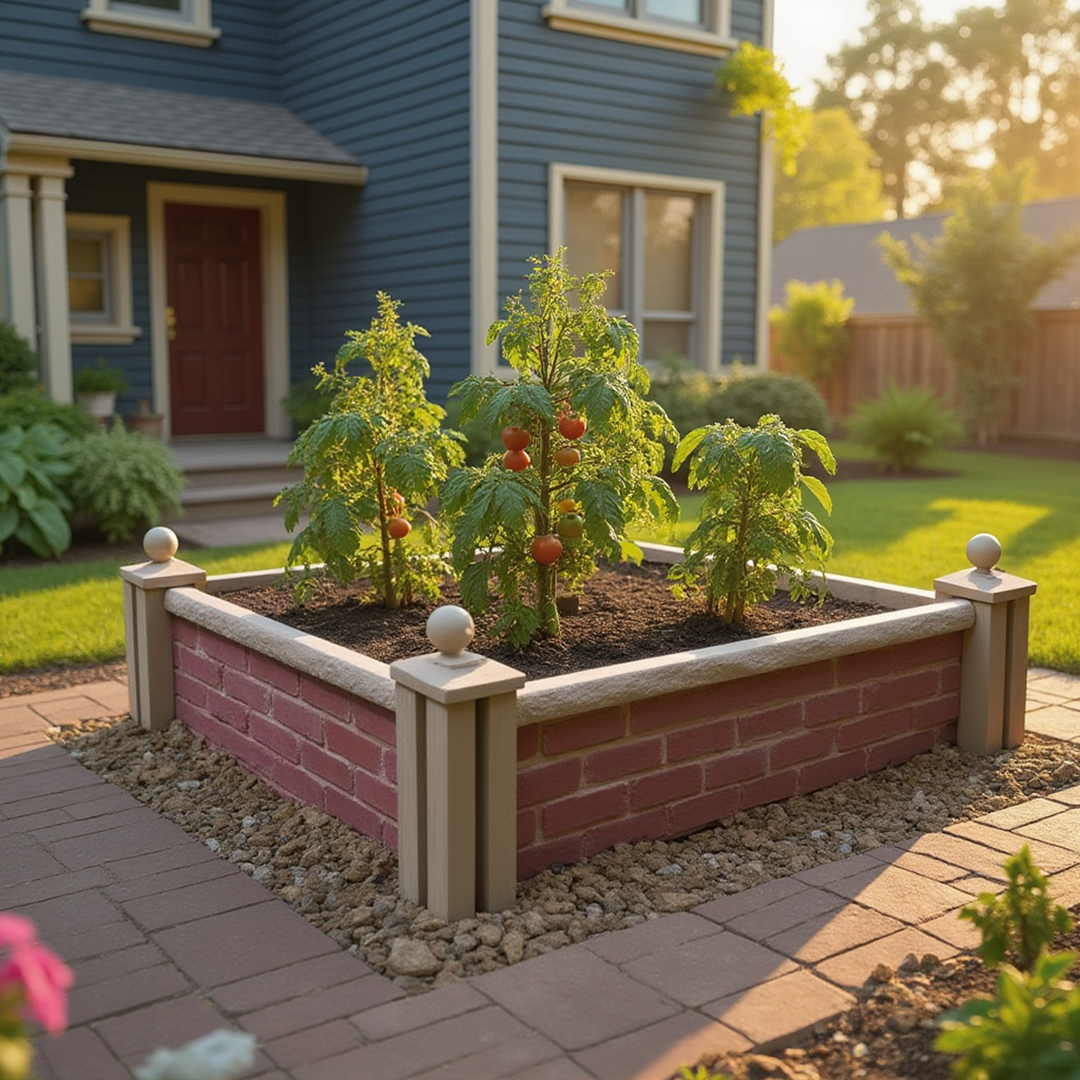
UC Master Gardeners of Sacramento County found that raised beds can produce up to four times more vegetables than the same area planted in rows. The reason? Drainage. The elevated design prevents water from stagnating, which prevents root rot and water-related diseases.
This principle applies to your entire landscape.
When you install hardscape elements that actively manage water flow, you're not just building structures. You're creating the conditions that allow plants to flourish. The hardscape becomes the skeleton that supports the living tissue of your landscape.
I've tested this principle extensively with GFRC culvert walls and raised garden systems. The material's immunity to freeze-thaw cycles and 12,500 psi compressive strength means the structural elements don't degrade. But more importantly, the pre-engineered drainage solutions move water where it needs to go.
The plants don't fight the structure. The structure serves the plants.
The Balance Point That Changes Everything
Research on landscape design shows something fascinating: properties with excessive hardscape feel sterile, hot, and unwelcoming. Even in hardscape-dominant designs, at least 30% of visible space should be allocated to plantings.
But here's the nuance: it's not about the ratio. It's about the relationship.
A landscape with 70% hardscape can feel lush and alive if the hardscape elements support plant health. A landscape with 50% hardscape can feel barren if the structural elements compete with the plantings for water and space.
I learned this the hard way during product testing. We installed beautiful GFRC raised gardens on a property with poor drainage. The raised beds themselves were perfect. But water from the surrounding hardscape flooded the area around them. The plants in the beds thrived. Everything outside them struggled.
The lesson: integration beats ratio every time.
Color psychology research shows that landscapes with cohesive color schemes increase property values by 12-15%. But cohesion isn't just about matching colors. It's about creating systems where every element supports every other element.
Your culvert walls should direct water away from plant roots while creating visual boundaries. Your raised gardens should provide excellent drainage while defining outdoor spaces. Your patios should manage runoff while creating gathering areas.
When hardscape and softscape work as one system, you get both beauty and function. When they fight each other, you get neither.
The Installation Variable That Breaks Contractors
Poor planning causes 70% of landscape design failures.
I've talked to hundreds of landscape contractors. The same complaint comes up repeatedly: labor variability. A project that should take three days takes seven. A straightforward installation becomes complicated. Costs spiral.
The problem is almost always the interface between hardscape and softscape.
Traditional hardscape installation is time-consuming because you're building custom solutions on-site. Pour concrete. Wait for it to cure. Hope the drainage works. Adjust if it doesn't. Meanwhile, the plants you ordered arrive and sit in holding, stressed and declining.
Prefabricated GFRC products install in one-eighth the time compared to standard methods. But the real advantage isn't speed. It's certainty.
When you install a pre-engineered drainage solution, you know where the water will go. When you place a tested raised garden system, you know the plants will have proper drainage. The guesswork disappears.
For landscape contractors, this changes the business model. You can quote projects with confidence. You can schedule installations accurately. You can move from one job to the next without callbacks.
For homeowners, it means your landscape works from day one. No waiting to see if the drainage handles the first big rain. No discovering problems after the plants are in the ground.
What Integration Actually Looks Like
Let me give you a concrete example from a recent installation.
A homeowner had a sloped yard with a drainage swale running through it. The swale was functional but ugly. Previous attempts to landscape around it failed because water flow kept washing out the plants.
The traditional solution would be to build a retaining wall, install drainage pipes, backfill, and hope the plants survive the construction process. Timeline: 2-3 weeks. Cost: significant. Risk: high.
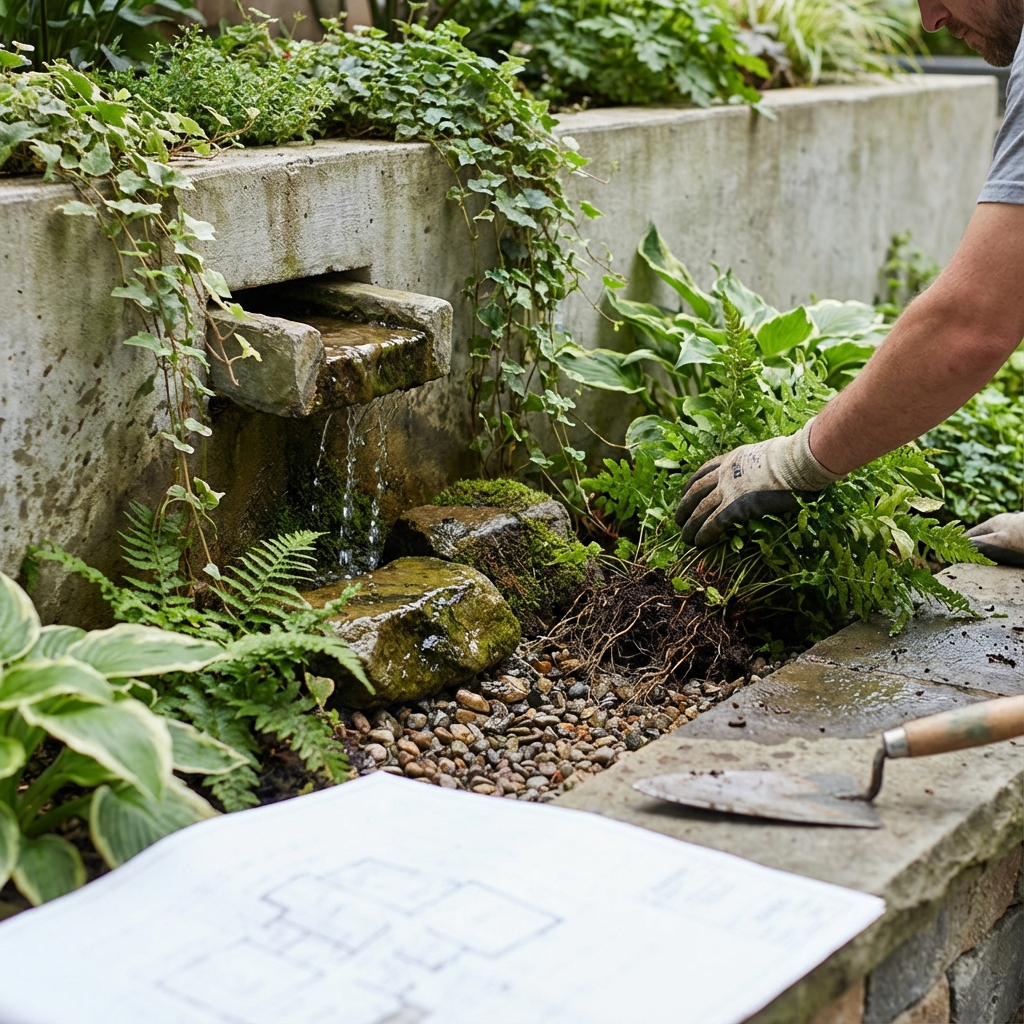
We installed GFRC culvert walls that turned the drainage swale into a design feature. The walls directed water flow while creating raised planting beds on either side. Installation time: one day. The plants went in immediately with proper drainage already in place.
The hardscape didn't hide the drainage problem. It solved it while creating opportunities for softscape.
Three years later, the system still works. The walls show no freeze-thaw damage. The plants thrive because water moves through the system instead of pooling. The homeowner maintains it in a fraction of the time traditional landscaping would require.
This is what integration looks like. The structural elements and living elements work as one system, each supporting the other.
The Durability Factor Nobody Calculates
Well-constructed hardscapes withstand weather and time with minimal upkeep. Softscapes require ongoing care and seasonal adjustments.
This creates a hidden dynamic in landscape design: if your hardscape fails, it takes your softscape with it.
I've seen it repeatedly. A retaining wall develops cracks. Water seeps through. The soil behind it becomes saturated. Plants die. The homeowner replaces the plants. The wall continues to fail. More plants die.
The softscape becomes an expensive bandaid for structural problems.
This is why material choice matters more than most people realize. When you install hardscape elements that won't degrade, you create a stable foundation for everything else.
GFRC's immunity to freeze-thaw cycles means the structural integrity doesn't decline. The flexural strength of over 2,000 psi means the elements don't crack under stress. The hardscape remains stable year after year.
This stability allows your softscape investments to compound. The perennials you plant this year establish deeper roots. The soil biology develops. The ecosystem matures.
When your hardscape fights entropy and loses, your softscape never gets the chance to mature. You're constantly starting over.
The Professional Insight That Matters Most
Hardscaping is the foundation for softscaping.
When you create structural elements with attention to how they interact with living systems, you get landscape design that captures art, botany, and architecture simultaneously.
But this only works when you stop thinking about hardscape and softscape as separate line items in a budget. They're not competing priorities. They're interdependent systems.
Your drainage determines your plant selection. Your plant selection influences your hardscape placement. Your hardscape placement affects your drainage.
The loop is continuous.
A well-balanced landscape enhances aesthetic appeal while supporting environmental health and biodiversity. But balance doesn't mean equal. It means integrated.
You can have a hardscape-dominant design that feels lush and alive. You can have a softscape-dominant design that feels structured and intentional. The ratio matters less than the relationship.
What This Means for Your Next Project
If you're a DIY homeowner, stop thinking about your patio project and your garden project as separate efforts. Design them together. Make sure your hardscape moves water to where your plants need it or away from where they don't.
If you're a landscape contractor, the labor variability that's killing your margins comes from treating hardscape and softscape as sequential phases. They're simultaneous systems. When you install structural elements that solve drainage problems upfront, the planting phase becomes predictable.
If you're a designer, your clients don't want hardscape or softscape. They want outdoor spaces that work. The technical integration of structural and living elements is what makes that possible.
The question isn't how much hardscape versus how much softscape. The question is whether they're working together or fighting each other.
After three years of testing products in real-world conditions, I can tell you: landscapes that integrate these systems from the start require less maintenance, experience fewer failures, and deliver better results for everyone involved.
Your landscape is either one unified system or two competing systems.
There's no middle ground.